
5s
+1
Submission successful!
|
| Brand Name: | DLX |
| Model Number: | Small batch, 8.0 mm to 200 mm |
| MOQ: | 10kg |
| Price: | 120/KG |
| Payment Terms: | L/C,D/A,D/P,T/T |
| Supply Ability: | 500 tons per month |
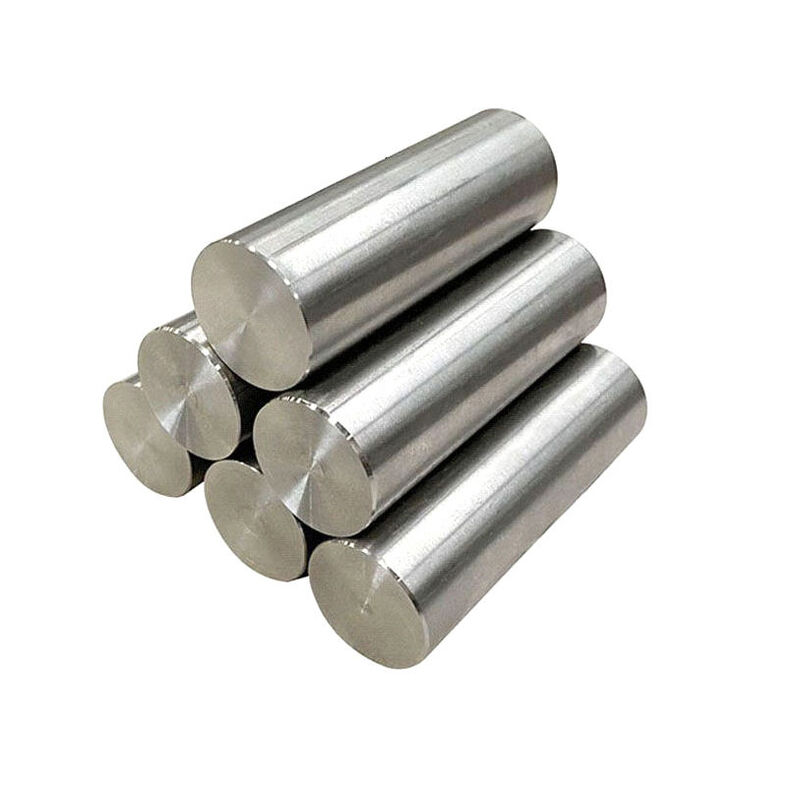
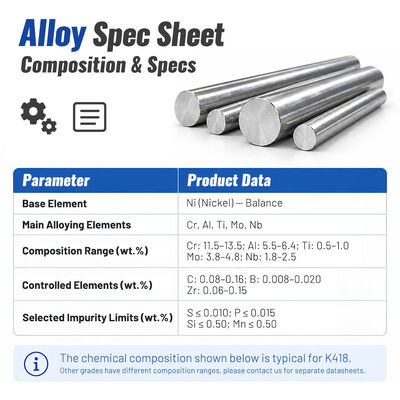
Small batch master alloy bar is cast in lots sized to the furnace that will melt them, in round sections from 8.0 mm to 200 mm, so a foundry can bring in a grade without committing to a full production run.
A foundry does not always know how much of a grade it will need. A new casting programme starts with a few heats and grows later. A jobbing shop may take one repeat order a quarter. In both cases the useful purchase is a small lot that arrives on the same basis as a large one.
The difficulty is that the cast is not infinitely divisible. Metal is melted in a furnace, and the furnace has a floor below which the heat stops being practical to run. That floor, rather than a warehouse policy, is what sets the smallest lot worth quoting.

| Product | Small batch cast master alloy bar |
| Lot Size | Minimum set by the cast, confirmed on the order |
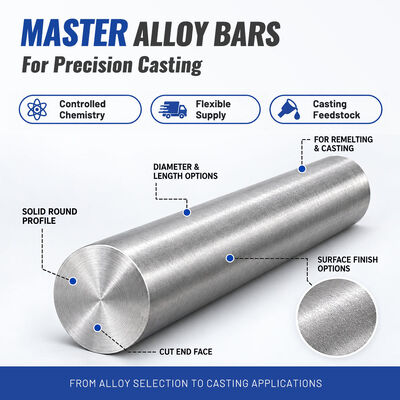
| Diameter | 8.0 mm to 200 mm |
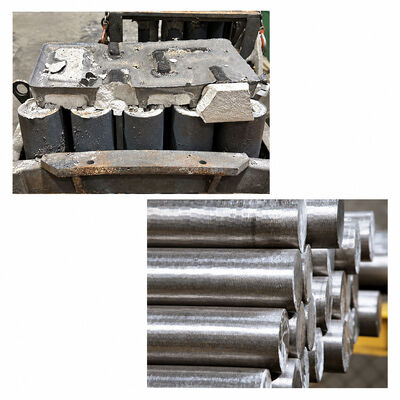
| Product Form | Cast bar, round section |
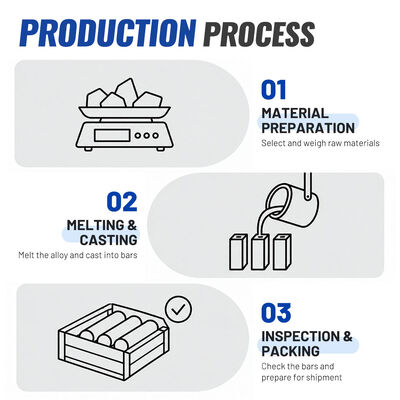
| Melting Route | Vacuum melting |
| Casting Route | Bar casting |
| Grade Agreement | Composition and impurity limits fixed on the order |
| Cut Length | Made to the charging length used at the foundry |
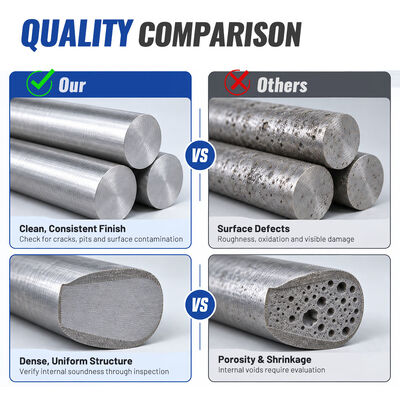
| Internal Quality | Uniform structure assessed where the order requires it |
| Surface | Clean, consistent finish |
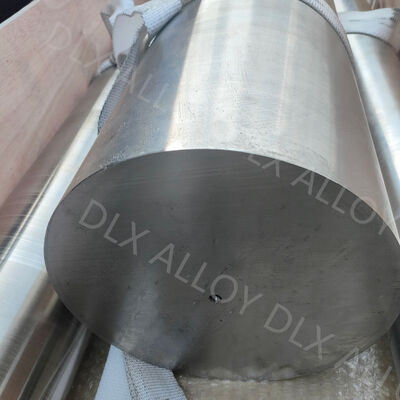
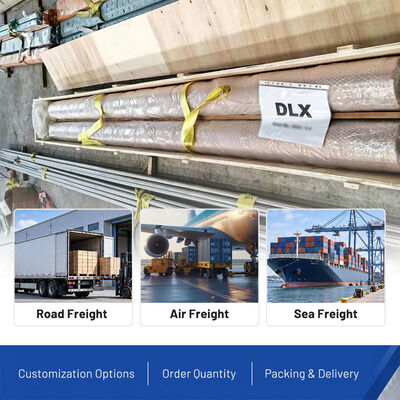
| Packing | Rod bundles with protective wrapping, export wooden cases |
| Documents | Mill test certificate, packing list, invoice, bill of lading |
The smallest lot starts at the melting furnace. A heat needs enough metal to fill the mould, keep the composition within the limits agreed on the order, and give a sample worth testing. Those three requirements fix a floor, and the floor moves with the section: a heavy bar pulls more metal out of the same heat than a small one. The minimum is therefore quoted with the diameter, not printed once for the whole product.
The other half of the answer comes from the buyer. If the foundry charges a set weight per heat and plans a set number of heats, the lot is sized to that arithmetic rather than to a round number of kilograms. A lot cut and weighed to the charge plan arrives usable in full, while a lot that overshoots leaves the surplus sitting on a shelf as an untested remainder.
Cost per kilogram on a small lot is not the same as on a production run, and the reason is the heat rather than the metal. Melting, checking and documenting a small cast spread the same fixed effort over less material. Quoting a small lot against a large-lot rate would mean absorbing that difference quietly, so the rate is quoted against the lot being cast.
A small lot earns its place in three situations. A programme that is still proving out a casting wants metal without a stock commitment. A shop running long intervals between orders avoids holding a grade it cannot trace to a current programme. And a buyer trying a grade for the first time gets the same documents on a small lot as on a large one, so the decision can be made on real material.
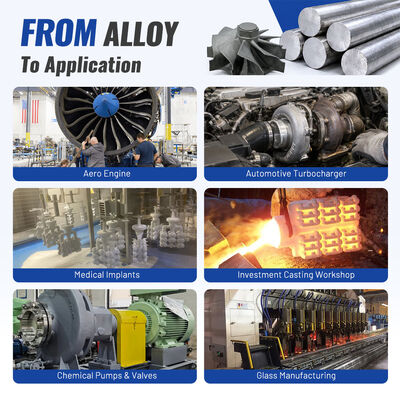
Small lots feed the same casting programmes as full ones. The castings that follow cover high-temperature engine work, turbocharger wheels for automotive use, chemical service pump and valve bodies, and hardware for glass production.
The composition of each cast is checked against the grade agreed on the order, and the surface is inspected before packing, whatever the size of the lot. A small lot is released on the same certificate as a large one, so the consignee holds a document for the material in the case rather than a generic sheet.
The grades referenced here sit within the cast grade series for high-temperature alloys in the Chinese standard system. What governs a small lot is the composition agreed on the order, and the record kept for that lot appears on the certificate issued with the material.
Bar is bundled with protective wrapping and packed in export wooden cases marked with the grade, the diameter and the lot number, whether the lot fills one case or several. A small lot goes on the schedule 15-30 days after order confirmation. Freight is quoted for the port named on the enquiry, on FOB, CFR or CIF terms.
ISO 9001 certification and SGS auditing sit behind the master alloy line at Changzhou DLX Alloy Co., Ltd., alongside a 12,000 m² site and an annual capacity of 10,000 tons. Alloys have been melted and processed there since 2002 for buyers in more than 60 export countries. A small lot is handled as one cast of that line, with the composition taken from the order and the documents issued with the material.
Give the grade, the diameter and the quantity, and the lot size is confirmed with the quotation.
A: Because the material is melted rather than picked off a shelf. A heat has to fill the mould, hold the composition agreed on the order and leave a sample worth testing, and those three requirements set a floor.
A: The furnace and the section together. A heavy bar draws more metal from the same heat than a small one, so the minimum is quoted with the diameter instead of being fixed for the whole range.
A: Yes, and the reason is the heat rather than the metal. Melting, checking and documenting spread the same fixed effort over less material, so the rate is quoted against the lot that is cast.
A: The cast grade series in this line, on the same terms as a production run. State the grade and it is confirmed for a small quantity.
A: Yes. A mill test certificate for the lot, the packing list, the invoice and the bill of lading travel with a small lot exactly as with a large one.
A: It comes from the diameter and the quantity your furnace needs, and is confirmed with the grade when the order is placed.
A: A small lot is placed 15-30 days after order confirmation, the same window as a production run.
A: FOB, CFR or CIF to the port named on the enquiry.


 english
 français
 Deutsch
 Italiano
 Русский
 Español
 português
 Nederlandse
 ελληνικά
 日本語
日本語
 한국
한국
 中文
中文
 العربية
 हिन्दी
 Türkçe
 indonesia
 tiếng Việt
 ไทย
ไทย
 বাংলা
বাংলা
 فارسی
فارسی
 polski