
5s
+1
Submission successful!
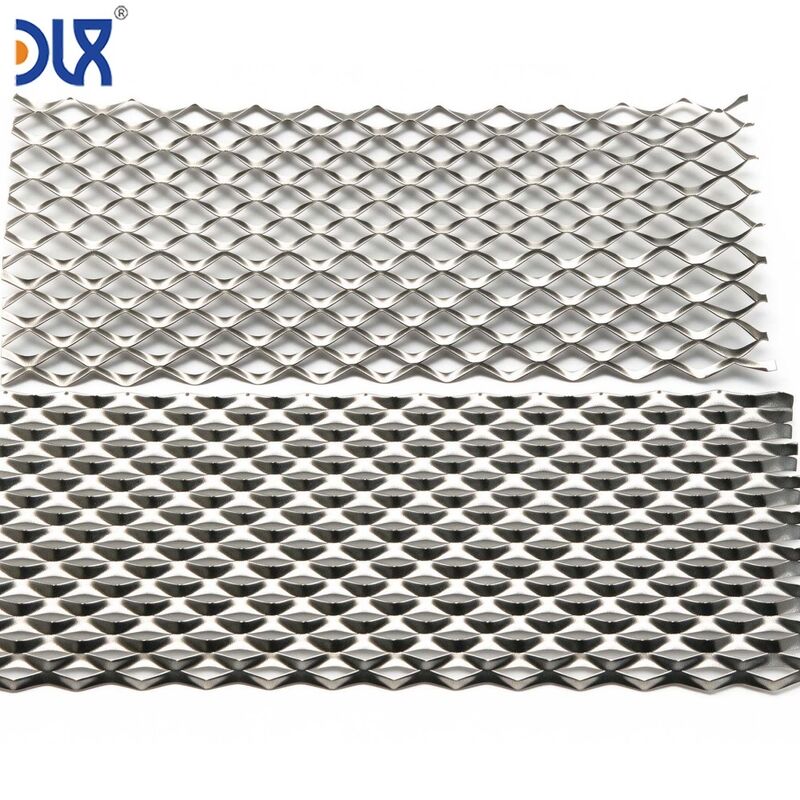
|
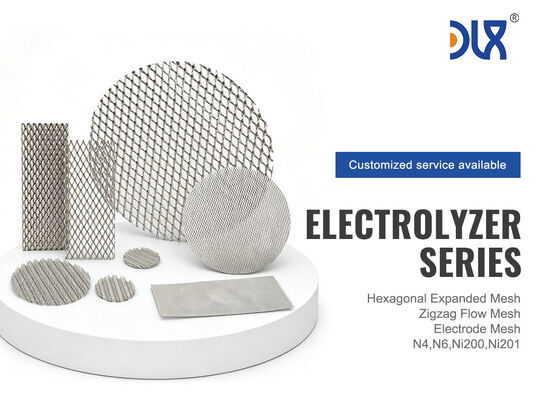
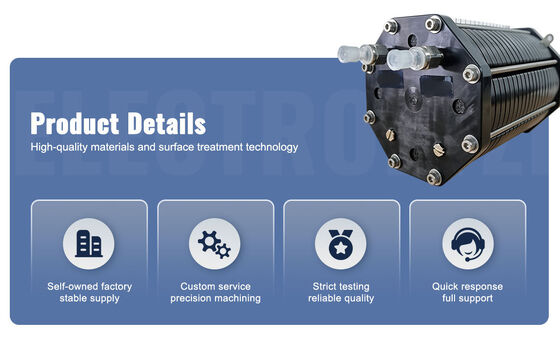
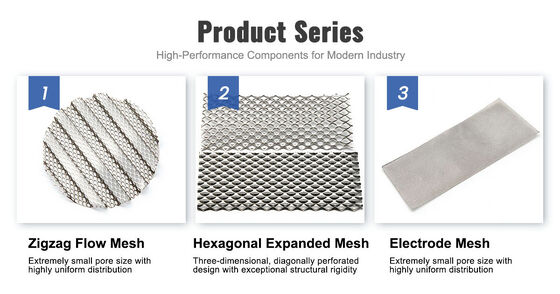
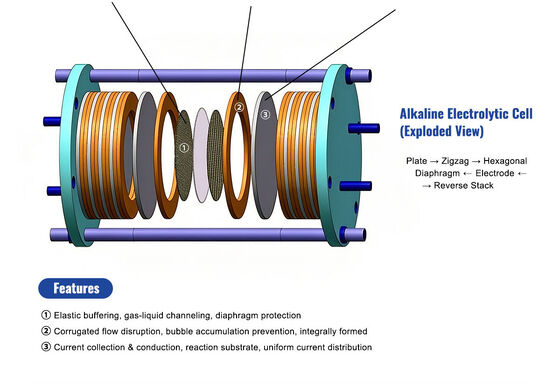
| Brand Name: | DLX |
| Model Number: | Pure Nickel |
| MOQ: | 5kg |
| Payment Terms: | L/C,D/A,D/P,T/T,Western Union |
| Supply Ability: | 500 tons per month |
ISO9001 Factory Direct | Since 2002 | N4/N6/Ni200/Ni201 | Custom Weave & Size | Free Sample Available
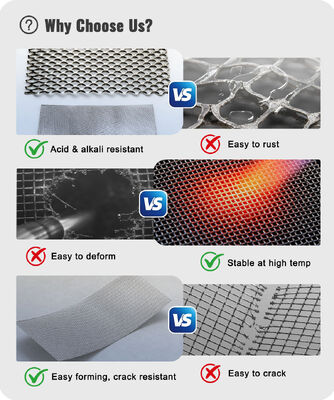
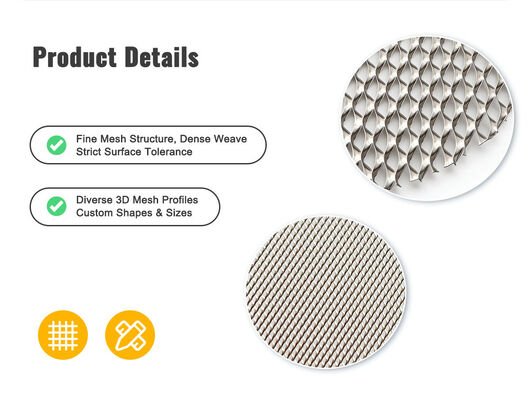
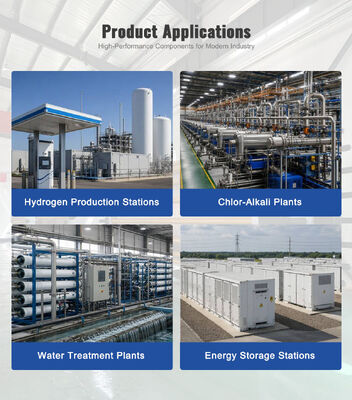
Pure nickel electrode mesh from Changzhou DLX Alloy Co., Ltd. is purpose-built for hydrogen electrolyzer manufacturers — not a generic industrial mesh adapted for electrochemical use. We start with our own pure nickel wire drawn in-house from N4, N6, Ni200, or Ni201 grade, then weave or weld to your specified mesh count, wire diameter, and sheet dimensions. Whether you need fine-woven mesh for zero-gap alkaline electrolyzer electrodes, coarse expanded mesh for PEM current collectors, or custom-sized sheets for a new stack design, our 20 years of nickel alloy manufacturing — from melt to mesh — means the wire chemistry, the weave integrity, and the surface condition are controlled end-to-end. Full EN 10204 3.1 MTC with wire-to-mesh traceability on every order.

| Stage | Conventional Supply Chain | DLX Integrated Supply Chain |
|---|---|---|
| 1. Nickel wire | Purchased from Wire Mill A — chemistry cert from A, surface quality unknown until mesh production | Drawn in-house from our own melted pure nickel — N4 (99.9%+) through Ni201, chemistry controlled from ingot |
| 2. Weaving / mesh fabrication | Weaving Shop B — different company, different quality system, wire surface contamination risk at B's facility | Fabricated in-house — wire moves directly from our drawing line to our mesh production without intermediate handling |
| 3. Quality dispute | Mesh fails electrolyzer test → A blames B's weaving tension → B blames A's wire quality → you wait | One company, one quality system. Root cause resolved internally. You get answers, not finger-pointing. |
| 4. Customization lead time | Request new mesh spec → B requests new wire from A → A schedules melt → 8–12 weeks minimum | Request new mesh spec → our wire drawing adjusts wire diameter → our mesh line adjusts weave pattern → 4–6 weeks typical for new approvals |
| Mesh Type | Structure | Best Electrolyzer Application | Typical Wire / Thickness |
|---|---|---|---|
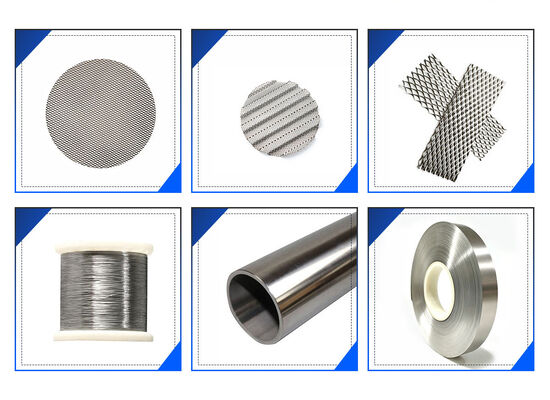
| Plain Dutch Weave | Warp wires larger than weft; dense filtration-grade openings | ALK zero-gap electrode — fine mesh between membrane and porous transport layer | Wire: 0.10–0.30mm |
| Plain Square Weave | Equal warp and weft; uniform square openings | ALK electrode substrate — catalyst coating base; uniform current distribution | Wire: 0.15–0.50mm |
| Twill Weave | Wire crosses two, under two; more flexible than plain weave | PEM current collector — conforms to MEA surface under compression | Wire: 0.10–0.25mm |
| Expanded Metal Mesh | Slit and stretched from sheet — no crossing wires, flat surface | PEM flow field / current collector — flat contact with bipolar plate, low pressure drop | Sheet: 0.20–0.50mm |
| Welded Wire Mesh | Warp and weft resistance-welded at intersections | ALK structural electrode support — rigid, maintains flatness under stack compression | Wire: 0.30–0.80mm |
| Grade | Purity | Best For | Why |
|---|---|---|---|
| N4 | Ni+Co ≥99.9% | PEM electrolyzer — cathode/membrane interface | Ultra-low trace elements (Fe ≤0.04%, Cu ≤0.015%) — minimizes contamination that poisons PEM catalyst layers |
| N6 | Ni+Co ≥99.5% | ALK electrolyzer — electrode substrate for catalyst coating | Highest purity-to-cost ratio. Adequate for alkaline conditions where catalyst coating provides additional surface area |
| Ni200 | Ni ≥99.2% | ALK electrolyzer — structural electrode mesh, welded type | Good weldability for welded mesh fabrication. Standard purity sufficient for bulk electrode applications in 30% KOH at 80–90°C |
| Ni201 | Ni ≥99.0%, Low C ≤0.02% | ALK electrolyzer — high-temperature or elevated-pressure electrolysis | Low carbon prevents intergranular embrittlement if the electrode sees temperatures above 315°C — relevant for advanced high-temp ALK designs |
Not sure which grade? Tell us your electrolyzer type (ALK/PEM/SOEC), operating temperature, and KOH concentration — we recommend the optimal nickel grade and mesh construction within 24 hours.
For most of our first 15 years, DLX supplied pure nickel wire to mesh weavers — we made the raw material, someone else made the mesh. Around 2018, hydrogen electrolyzer manufacturers began asking us a question the mesh weavers couldn't answer: "Can you guarantee the wire surface chemistry hasn't changed between your drawing line and the finished mesh?"
The answer from the conventional supply chain was no — because the mesh weaver's facility was not a nickel processing environment. Wire could pick up iron contamination from steel tooling, carbon residue from lubricants, or oxidation from inadequate atmosphere control during annealing. For alkaline electrolysis, these contaminants create localized corrosion cells on the electrode surface. For PEM, they poison the membrane.
So we brought mesh fabrication in-house. Same facility, same atmosphere-controlled environment, same quality system as our wire drawing operation. The wire leaves our drawing line and enters our mesh production area without leaving the building — and without touching anything that isn't nickel-compatible. Since then, we have supplied custom electrode mesh to electrolyzer manufacturers across Europe and Asia, including multiple hydrogen projects now in commercial operation.
Source: DLX Alloy product catalog. Full composition certified on every wire lot used for your mesh.
| Element (%) | N4 | N6 | Ni200 | Ni201 |
|---|---|---|---|---|
| Ni | — | — | ≥99.2 | ≥99.0 |
| Ni+Co | ≥99.9 | ≥99.5 | — | — |
| Fe | ≤0.04 | ≤0.1 | ≤0.4 | ≤0.4 |
| Cu | ≤0.015 | ≤0.1 | ≤0.25 | ≤0.25 |
| C | ≤0.01 | ≤0.1 | ≤0.15 | ≤0.02 |
| Si | ≤0.03 | ≤0.1 | ≤0.35 | ≤0.35 |
| Mn | ≤0.002 | ≤0.05 | ≤0.35 | ≤0.35 |
| S | ≤0.001 | ≤0.005 | ≤0.01 | ≤0.01 |
| Parameter | Available Range | Notes |
|---|---|---|
| Nickel grade | N4, N6, Ni200, Ni201 | Grade selected based on electrolyzer type, temperature, KOH concentration |
| Weave pattern | Plain, plain Dutch, twill, welded, expanded metal | Pattern affects current distribution, gas release, and compression behavior |
| Wire diameter | 0.10–0.80 mm | Finer wire = more surface area; thicker wire = more structural rigidity |
| Mesh count | 10–200 mesh (wires per inch) | Higher count = finer openings = more uniform current density but higher pressure drop |
| Sheet dimensions | Custom L * W to your cell frame | Laser cut or shear cut to size; +/- 0.5mm tolerance on cut dimensions |
| Surface finish | Bright annealed, matte, or controlled roughness (Ra) | Standard: bright annealed ready for coating. Ra specification available on request |
| Post-treatment | Annealed, flattened, or as-woven | Standard: fully annealed + flattened for stack compression uniformity |
| Stage | Verification | Relevance to Electrolyzer Performance |
|---|---|---|
| Wire chemistry | OES per heat; PMI verification before weaving | Fe and Cu at ppm levels affect PEM membrane life and ALK electrode overpotential |
| Wire surface | Visual + microscopy at 5* before weaving | Surface contamination on wire becomes embedded in the mesh — and in your electrode |
| Weave integrity | Mesh count verification, visual for broken wires, skipped weaves | A broken wire in a zero-gap electrode creates a hot spot and a potential short |
| Post-anneal flatness | Flatness measured on granite surface plate — max deviation per sheet specified | Non-flat mesh under stack compression = uneven contact pressure = uneven current density = reduced efficiency |
| Sheet dimensions | L * W measured; cut edge inspection for fraying | Oversized sheet shorts to adjacent cells; undersized sheet leaves edge gaps |
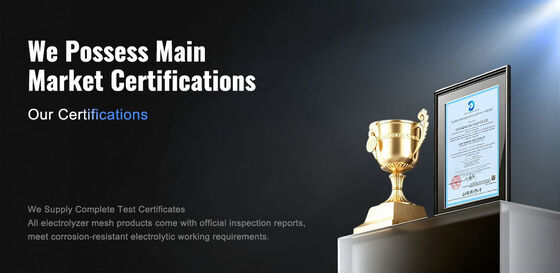
| Documentation | EN 10204 3.1 MTC for wire chemistry + mesh inspection report + certificate of conformance | Complete traceability from nickel ingot to finished electrode mesh sheet |
Third-party inspection by SGS, BV, or TÜV available. All shipments fully documented with melt-to-mesh traceability.
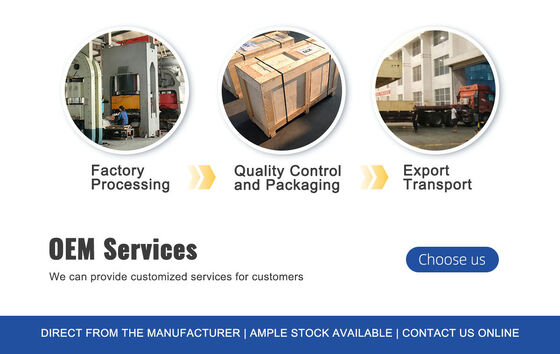
| Sheet protection | Each mesh sheet interleaved with acid-free tissue paper. Stacked flat between rigid backing boards to prevent bending or creasing during transit. |
| Outer packaging | Flat-packed in sealed polyethylene with desiccant, enclosed in plywood crate. For large-format sheets: custom crates with internal bracing. |
| Identification | Grade, wire heat number, mesh count, sheet dimensions, sheet count, DLX traceability code on crate label and packing list. |
| MOQ | 5 sheets per specification. Trial order for new customers: 1–3 sheets for initial evaluation. |
| Lead Time | 3–7 days for stock wire + standard weave; 4–6 weeks for custom wire diameter + new weave pattern. |
| Shipping | Air freight (DHL, FedEx) for trial orders; sea freight (FCL/LCL) for production volumes. |
| Payment | T/T, L/C at sight |
N6 (Ni+Co ≥99.5%) is the most common choice for ALK electrode mesh — it balances purity with cost. For advanced designs targeting higher current density and longer stack life, N4 (≥99.9%) provides the lowest overpotential and minimal trace element dissolution into the electrolyte over years of operation.
Yes. Standard bright-annealed finish is ready for coating. If you need a specific Ra value for coating adhesion optimization, we can adjust the final surface treatment. Provide your target Ra range and we confirm feasibility.
Every mesh sheet is solution annealed after weaving — this eliminates the residual stresses from wire bending during the weave process. Post-anneal flattening ensures the sheet sits flat on a surface plate. For critical zero-gap applications, we can supply with a flatness specification measured on a granite surface plate.
Sheet dimensions are limited by our weaving loom width and annealing furnace capacity. Contact us with your target sheet dimensions — we will confirm feasibility. For very large electrode areas, we also offer edge-welded multi-sheet assemblies.
If we have the wire diameter in stock (common sizes 0.15–0.40mm): 1–2 weeks for trial sheets. If a new wire diameter needs to be drawn: 4–6 weeks including wire production, weaving, annealing, and inspection. We recommend starting with a trial order early in your development cycle so that production lead time is established before your stack build schedule.


 english
 français
 Deutsch
 Italiano
 Русский
 Español
 português
 Nederlandse
 ελληνικά
 日本語
日本語
 한국
한국
 中文
中文
 العربية
 हिन्दी
 Türkçe
 indonesia
 tiếng Việt
 ไทย
ไทย
 বাংলা
বাংলা
 فارسی
فارسی
 polski