
5s
+1
Submission successful!

|
| Brand Name: | DLX |
| Model Number: | Hastelloy C22 |
| MOQ: | 10kg |
| Payment Terms: | L/C,T/T,D/A,D/P,VTB |
| Supply Ability: | 1200 tons per month |
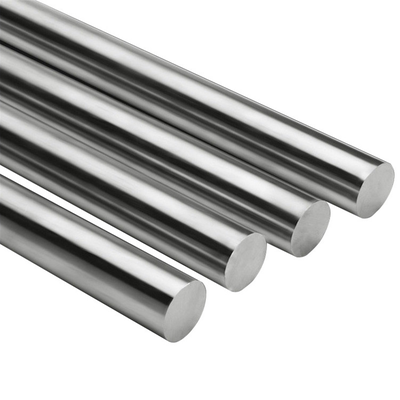
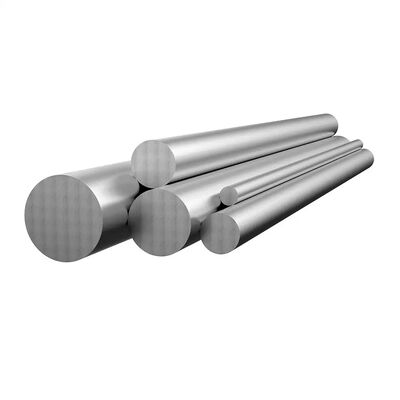
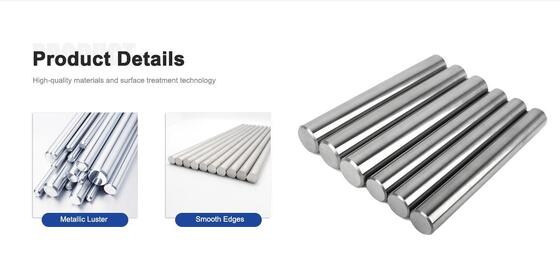
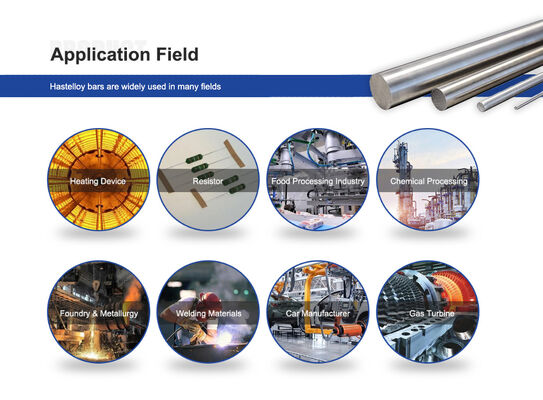
Hastelloy C22 is a premier nickel-chromium-molybdenum-tungsten superalloy engineered to provide superior overall corrosion performance compared to conventional nickel-molybdenum alloys. When supplied in cold drawn round rod form at Dia 20mm, this material delivers the optimal combination of dimensional accuracy, surface finish, and metallurgical consistency required for critical pump shafts, valve stems, agitators, fasteners, and sensor housings in chlorination equipment.
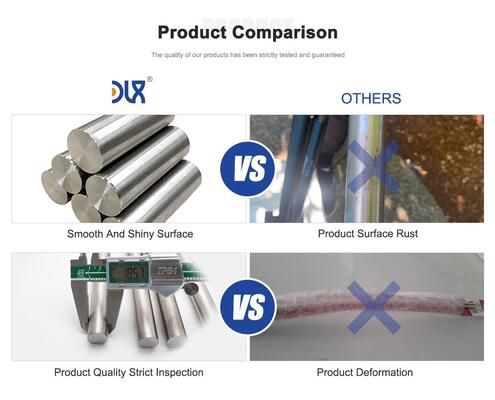
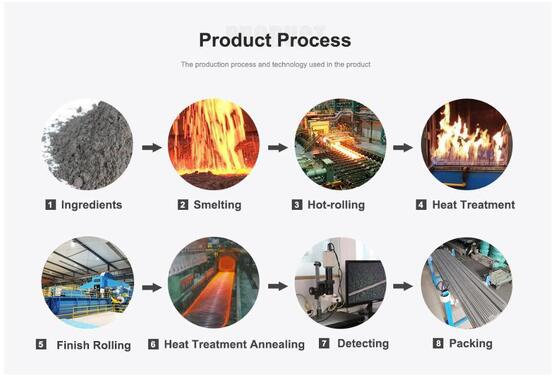
Our automated cold drawing and multi-stage precision straightening processes ensure tight diametrical tolerances (down to precise micron-level deviation) and high concentricity, significantly minimizing machining waste and tool wear for OEM component manufacturers. Every batch undergoes full solution annealing followed by rapid water quenching to completely suppress secondary phase precipitation at grain boundaries, guaranteeing maximum corrosion resistance across oxidizing acids, wet chlorine gas, ferric chlorides, and organic chloride media.

Q1: What makes cold drawn Hastelloy C22 round rod superior to C276 in chlorination equipment?
A1: While both are exceptional Ni-Cr-Mo alloys, Hastelloy C22 contains a significantly higher chromium content (~22% vs. ~16% in C276), giving it markedly superior resistance to strongly oxidizing environments, wet chlorine gas, and mixed acid streams containing oxidizing salts commonly found in modern chlorination skids.
Q2: What dimensional tolerances and straightness can DLX achieve for 20mm drawn rods?
A2: Our Dia 20mm cold drawn and centerless ground Hastelloy C22 rods are manufactured with tight diametrical tolerances down to ±0.02mm (precision engineering grades) with straightness controlled to ≤0.5mm per meter, enabling high-speed automated CNC machining.
Q3: In what heat treatment condition is the 20mm C22 round rod delivered?
A3: All rods are delivered in the fully solution-annealed and rapidly water-quenched condition (typically soaked at 1120°C–1150°C), restoring optimum ductility, relieving cold-drawing stress, and ensuring peak corrosion resistance.
Q4: How does DLX verify the internal integrity and surface quality of high-nickel rods?
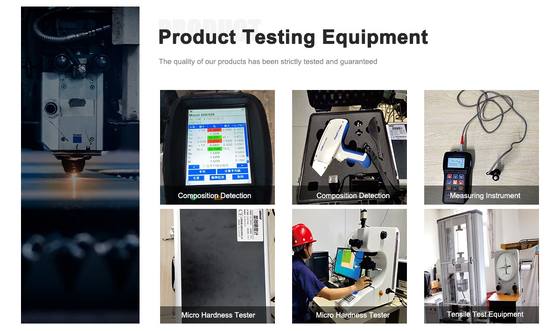
A4: Every rod is subjected to 100% full-length ultrasonic flaw detection (UT) and surface liquid penetrant / eddy current testing. Chemical composition and mechanical tensile properties are verified per melt batch and accompanied by complete 3.1 material test certificates.


 english
 français
 Deutsch
 Italiano
 Русский
 Español
 português
 Nederlandse
 ελληνικά
 日本語
 한국
 中文
 العربية
 हिन्दी
 Türkçe
 indonesia
 tiếng Việt
 ไทย
 বাংলা
 فارسی
 polski