5s
+1
Submission successful!

|
| Brand Name: | DLX |
| Model Number: | Inconel Alloy |
| MOQ: | 15kg |
| Payment Terms: | L/C,T/T,Western Union,VTB |
| Supply Ability: | 500 tons per month |
In harsh chemical processing environments, materials are constantly pushed to their limits. High temperatures, corrosive media, and long operational cycles demand a material that can perform without compromise. That’s exactly where Inconel alloy strip stands out. From our experience at DLX, this material has become a reliable solution for customers who need long-term stability and consistent performance under extreme conditions.
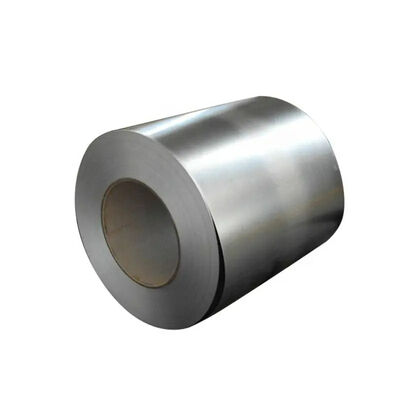
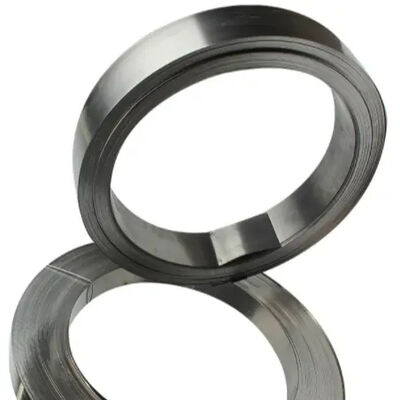
Inconel alloy strip is a nickel-based superalloy designed to resist oxidation, corrosion, and mechanical stress in demanding environments. Its composition typically includes nickel as the base element, with chromium and molybdenum added to enhance corrosion resistance and strength.
At DLX, we produce Inconel alloy strips with precise thickness control, smooth surface finish, and stable mechanical properties. These strips are widely used in chemical processing equipment, heat exchangers, reactors, and sealing systems.
What makes this material particularly valuable is its ability to maintain performance even in environments involving acids, chlorides, and high-temperature gases.
The performance of Inconel alloy strip comes from its carefully balanced composition:
Key characteristics include:
In real industrial settings, Inconel alloy strip is used in several critical applications:
Used in reactors, pressure vessels, and piping systems exposed to aggressive chemicals like sulfuric acid and hydrochloric acid.
Maintains structural integrity and heat transfer efficiency even under thermal cycling conditions.
Thin strips are used in gaskets and sealing systems where both flexibility and corrosion resistance are required.
Performs well in environments with high sulfur content and moisture.
Resists chloride-induced corrosion, making it ideal for offshore chemical processing.
Many customers report frequent material failure when exposed to strong acids.
Solution: DLX Inconel alloy strip provides superior resistance to pitting and uniform corrosion, significantly extending service life.
Standard alloys tend to lose strength under prolonged heat exposure.
Solution: Our alloy maintains mechanical stability even above 800°C, reducing downtime and replacement frequency.
Some high-performance alloys are hard to cut, weld, or form.
Solution: DLX optimizes the alloy structure to ensure better machinability and weldability without compromising strength.
Understanding key parameters helps buyers choose the right material:
These parameters directly impact performance in real-world applications, especially in thermal and corrosive environments.
Below is a comparison between DLX Inconel alloy strip and standard market material:
| Parameter | DLX Inconel Alloy Strip | Standard Market Material |
|---|---|---|
| Corrosion Resistance | Excellent | Moderate |
| High-Temp Strength | Stable above 800°C | Drops after 600°C |
| Surface Finish | Smooth, precision-rolled | Inconsistent |
| Thickness Tolerance | ±0.01 mm | ±0.03 mm |
| Service Life | Long-term (3–5 years+) | 1–2 years |
| Customization | Full support | Limited |
| Delivery Stability | Reliable | Variable |
The demand for high-performance alloys is increasing, especially in sectors like chemical processing, energy, and environmental engineering.
Three major trends are shaping the market:
At DLX, we align with these trends by offering precision manufacturing, strict quality control, and flexible customization options.
From our perspective, the difference is not just the material—it’s how it’s made and supported.
We don’t just supply alloy strips—we help solve performance problems in real industrial environments.
Our 12,000㎡ factory is equipped with complete capabilities for research, production, testing, and packaging. We strictly adhere to ISO 9001 standards in our production processes, with an annual output of 1,200 tons. This ensures that we meet both quantity and quality demands. Furthermore, all products undergo rigorous simulated environment testing including high temperature, high pressure, and corrosion tests before being dispatched, ensuring they meet customer specifications.For all our clients, we offer timely and multilingual after-sales support and technical consulting, helping you resolve any issues swiftly and efficiently.
Client Visits
Building Stronger Partnerships
We support all kinds of testing:
We can provide customized solutions.


 english
 français
 Deutsch
 Italiano
 Русский
 Español
 português
 Nederlandse
 ελληνικά
 日本語
日本語
 한국
한국
 中文
中文
 العربية
 हिन्दी
 Türkçe
 indonesia
 tiếng Việt
 ไทย
ไทย
 বাংলা
বাংলা
 فارسی
فارسی
 polski