logo

products details

Created with Pixso. Home Created with Pixso. Products Created with Pixso.
Resistance Wire
Created with Pixso.

CuNi2 Resistance Wire: Boost Electrolysis Hydrogen Generation Performance

CuNi2 Resistance Wire: Boost Electrolysis Hydrogen Generation Performance

Brand Name: DLX
Model Number: CuNi2 Wire
MOQ: 10kg
Payment Terms: L/C,D/A,D/P,T/T,Western Union
Supply Ability: 500 tons per month
Detail Information
Place of Origin:
China,Jiangsu
Certification:
Ce,Rohs
Supply Ability:
500 tons per month
Highlight:

CuNi2 resistance wire for electrolysis

,

hydrogen generation resistance wire

,

high-performance CuNi2 wire

Product Description
CuNi2 Resistance Wire: Boost Electrolysis Hydrogen Generation Performance
CuNi2 Resistance Wire: Boost Electrolysis Hydrogen Generation Performance 0
The world is rapidly shifting towards cleaner and more sustainable energy solutions, and hydrogen has emerged as a key player in this transition. As the demand for green hydrogen grows, improving the efficiency and reliability of hydrogen production methods like water electrolysis becomes increasingly critical. CuNi2 resistance wire, a copper-nickel alloy, is revolutionizing hydrogen generation by offering superior performance, durability, and cost-effectiveness in electrolysis systems.
Product Overview: CuNi2 Resistance Wire for Electrolysis
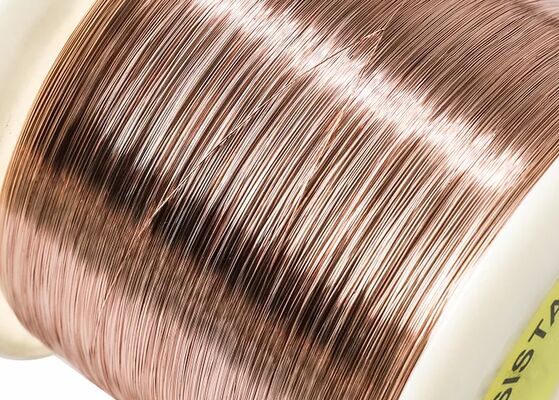
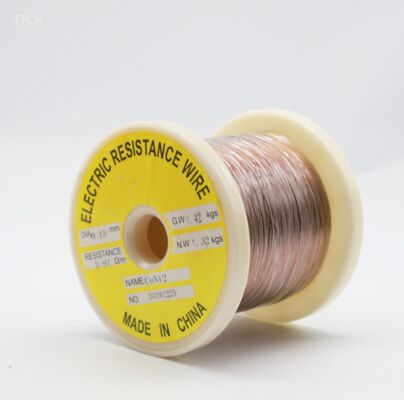
CuNi2 resistance wire is a copper-nickel alloy designed specifically to improve the performance and longevity of electrolysis systems used in hydrogen production. The wire combines the excellent electrical conductivity of copper with the corrosion resistance and mechanical strength of nickel, making it an ideal material for use in alkaline electrolysis, PEM (Proton Exchange Membrane) electrolysis, and other electrochemical applications.
In water electrolysis, electrical current is passed through water, splitting it into hydrogen and oxygen. CuNi2 resistance wire plays a crucial role in these systems by providing the required resistance heating and maintaining high efficiency under aggressive chemical and thermal conditions.
Material Properties
Properties Material Resistivity 200c μΩ.m Max working temperature (℃) Tensile strength (Mpa) Melting point (℃) Density (g/cm3) TCR *10-6/℃ (20-600℃) EMF vs Cu (μV/℃) (0-100℃)
CuNi1 0.03 200 210 1085 8.9 <100 -8
CuNi2 0.05 200 220 1090 8.9 <120 -12
CuNi6 0.1 220 250 1095 8.9 <60 -18
CuNi8 0.12 250 270 1097 8.9 <57 -22
CuNi10 0.15 250 290 1100 8.9 <50 -25
CuNi14 0.2 300 310 1115 8.9 <30 -28
CuNi19 0.25 300 340 1135 8.9 <25 -32
CuNi23 0.3 300 350 1150 8.9 <16 -34
CuNi30 0.35 350 400 1170 8.9 <10 -37
CuNi34 0.4 350 400 1180 8.9 0 -39
CuNi44 0.5 400 420 1200 8.9 <-6 -43
Size Range
Type Dimensions
Wire 0.08-7.5mm
Ribbon (0.05-0.35)*(0.5-6.0)mm
Strip (0.50-2.5)*(5-180)mm
Rod 8-50mm
Key Features of CuNi2 Resistance Wire
  • Outstanding Corrosion Resistance - CuNi2 resistance wire offers exceptional corrosion resistance, particularly in alkaline and acidic electrolytes. This makes it suitable for long-term use in harsh electrolytic environments where other materials would degrade over time.
  • High Electrical Conductivity - Copper's excellent electrical conductivity ensures that CuNi2 wire minimizes energy loss during electrolysis. This means higher efficiency, lower energy costs, and more hydrogen produced per unit of energy consumed.
  • Thermal Stability for High-Temperature Operation - CuNi2 wire is built to perform under high-temperature conditions, withstanding temperatures up to 300 °C. This high thermal stability ensures reliable performance in high-temperature electrolysis environments.
  • Superior Mechanical Strength - CuNi2 offers high tensile strength (around 430 MPa), ensuring that the wire can withstand mechanical stresses without breaking, cracking, or deforming.
  • Low Coefficient of Thermal Expansion - CuNi2 wire features a low coefficient of thermal expansion, minimizing the risk of cracking or material failure during temperature fluctuations.
CuNi2 Resistance Wire: Boost Electrolysis Hydrogen Generation Performance 1CuNi2 Resistance Wire: Boost Electrolysis Hydrogen Generation Performance 2
How CuNi2 Resistance Wire Boosts Electrolysis Performance
  • Enhanced Hydrogen Production Efficiency - The combination of high electrical conductivity and low energy loss ensures that CuNi2 resistance wire enhances the efficiency of the electrolysis process, leading to faster and more efficient hydrogen production.
  • Longer System Lifespan - The corrosion resistance and mechanical strength of CuNi2 wire mean that electrolysis systems using this material will experience fewer breakdowns and require less maintenance.
  • Reduced Maintenance Costs - CuNi2 wire's resistance to corrosion and thermal stress reduces the need for frequent replacements, making it a cost-effective option for large-scale hydrogen generation.
  • Versatile Application - CuNi2 resistance wire can be used in various types of electrolysis systems, including both alkaline and PEM electrolysis, offering versatility for different hydrogen production technologies.
Industry Trends: The Rise of Hydrogen as a Clean Energy Source
As part of the global effort to reduce carbon emissions and mitigate the effects of climate change, hydrogen is seen as a vital component of the future energy landscape. In particular, green hydrogen --hydrogen produced via water electrolysis powered by renewable energy--has garnered significant attention. This method of hydrogen production offers the promise of zero-emission hydrogen, making it an essential part of the energy transition.
The demand for hydrogen fuel is increasing across several industries, including transportation, power generation, and energy storage. As this demand grows, so does the need for efficient, reliable, and cost-effective electrolysis systems. CuNi2 resistance wire is well-positioned to meet this demand, offering a material that not only boosts performance but also supports the widespread adoption of green hydrogen technology.
Applications of CuNi2 Resistance Wire
  • Hydrogen Production via Electrolysis - CuNi2 resistance wire is a crucial component in both alkaline and PEM electrolysis systems for hydrogen generation.
  • Electrochemical Cells and Batteries - CuNi2 wire is also used in various electrochemical processes, such as fuel cells and batteries.
  • Power Conversion and Energy Systems - CuNi2 wire is utilized in power conversion equipment, including inverters and transformers.
  • Industrial Heating Elements - CuNi2 wire is also used in heating elements for industrial processes requiring high resistance and durability.
CuNi2 Resistance Wire: Boost Electrolysis Hydrogen Generation Performance 3
CuNi2 Resistance Wire: Boost Electrolysis Hydrogen Generation Performance 4
Why DLX for CuNi2 Resistance Wire?
At DLX, we are committed to providing high-quality CuNi2 resistance wire for electrolysis systems, ensuring that your hydrogen production operations are as efficient, durable, and cost-effective as possible.
  • Premium Material Quality - We provide high-performance CuNi2 wire that has been thoroughly tested to meet the highest standards of corrosion resistance, thermal stability, and electrical conductivity.
  • Customization Options - DLX offers custom wire diameters and lengths to meet the specific requirements of your electrolysis system.
  • Global Distribution and Fast Shipping - With a global network, DLX ensures that your CuNi2 wire arrives on time, no matter where you are located.
  • Technical Expertise - DLX offers comprehensive technical support to help you choose the right materials for your electrolysis system.
CuNi2 Resistance Wire: Boost Electrolysis Hydrogen Generation Performance 5 CuNi2 Resistance Wire: Boost Electrolysis Hydrogen Generation Performance 6 CuNi2 Resistance Wire: Boost Electrolysis Hydrogen Generation Performance 7
Frequently Asked Questions (FAQ)
What is CuNi2 resistance wire made of?
CuNi2 resistance wire is a copper-nickel alloy made up of approximately 98% copper and 2% nickel, combining the best properties of both metals for high electrical conductivity and corrosion resistance.
How does CuNi2 resistance wire enhance hydrogen production?
CuNi2 wire improves electrolysis efficiency by reducing energy loss due to its high electrical conductivity, leading to faster and more efficient hydrogen production.
Is CuNi2 wire suitable for high-temperature electrolysis?
Yes, CuNi2 resistance wire can withstand temperatures up to 300 °C, making it ideal for high-temperature electrolysis applications.
Can CuNi2 wire be used in both alkaline and PEM electrolysis?
Yes, CuNi2 wire is suitable for both alkaline electrolysis and PEM electrolysis systems, making it a versatile choice for various hydrogen production methods.
What are the benefits of using CuNi2 wire over pure copper?
CuNi2 wire offers better corrosion resistance and greater mechanical strength compared to pure copper, ensuring longer lifespan and better performance in electrolysis systems.
How long does CuNi2 resistance wire last in electrolysis systems?
Due to its corrosion resistance and thermal stability, CuNi2 resistance wire has a long lifespan in electrolysis systems, reducing the need for frequent maintenance and replacements.
What industries use CuNi2 resistance wire?
CuNi2 wire is used in hydrogen production, fuel cells, power conversion systems, and industrial heating applications, among other electrochemical and energy applications.
How can I customize CuNi2 wire for my electrolysis system?
DLX offers custom diameters, lengths, and specifications to ensure that CuNi2 resistance wire fits perfectly with the specific requirements of your electrolysis system.