logo

products details

Created with Pixso. Home Created with Pixso. Products Created with Pixso.
Resistance Wire
Created with Pixso.

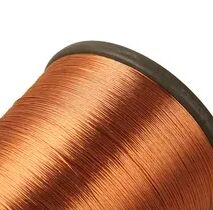
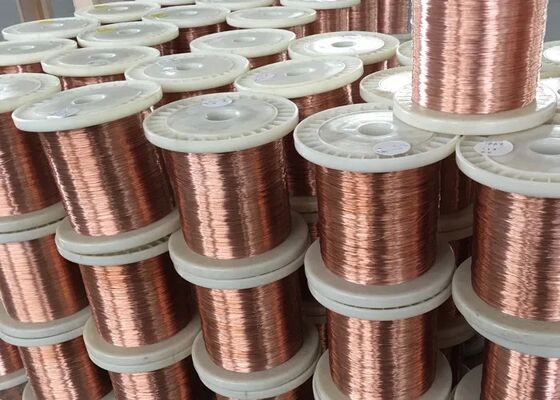
CuNi2 Alloy Wire: Durable Solution for Hydrogen Electrolysis Efficiency

CuNi2 Alloy Wire: Durable Solution for Hydrogen Electrolysis Efficiency

Brand Name: DLX
Model Number: CuNi2 Wire
MOQ: 10kg
Payment Terms: L/C,D/A,D/P,Western Union,T/T
Supply Ability: 500 tons per month
Detail Information
Place of Origin:
China,Jiangsu
Certification:
Ce,Rohs
Supply Ability:
500 tons per month
Highlight:

CuNi2 alloy resistance wire

,

hydrogen electrolysis resistance wire

,

durable CuNi2 wire

Product Description
CuNi2 Alloy Wire: Durable Solution for Hydrogen Electrolysis Efficiency
CuNi2 Alloy Wire: Durable Solution for Hydrogen Electrolysis Efficiency 0
The search for sustainable and cost-effective energy solutions is driving the need for efficient hydrogen production methods, and water electrolysis is at the forefront of this transition. At DLX, we introduce CuNi2 alloy wire, a highly durable material engineered to improve the performance and longevity of hydrogen electrolysis systems. With its unique blend of copper and nickel, CuNi2 alloy wire delivers excellent corrosion resistance, thermal stability, and electrical conductivity, making it an ideal choice for electrochemical processes that split water into hydrogen and oxygen.
Product Overview
Hydrogen has emerged as a key clean energy carrier, and its production via electrolysis is critical for achieving a sustainable energy future. Electrolysis systems rely on high-quality materials to maintain performance and efficiency under harsh conditions. CuNi2 alloy wire, a copper-nickel alloy, is designed to meet these challenges head-on. By combining the best properties of copper and nickel, CuNi2 wire offers superior resistance to corrosion, mechanical strength, and high conductivity, making it the perfect solution for the demanding conditions of alkaline and PEM (Proton Exchange Membrane) electrolysis systems.
CuNi2 alloy wire is optimized for long-term use, ensuring reliable hydrogen production over extended periods of operation, with minimal maintenance required.
Material Properties
Material Resistivity 200°C μΩ.m Max Working Temperature (°C) Tensile Strength (MPa) Melting Point (°C) Density (g/cm³) TCR *10⁻⁶/°C (20-600°C) EMF vs Cu (μV/°C) (0-100°C)
CuNi1 0.03 200 210 1085 8.9 <100 -8
CuNi2 0.05 200 220 1090 8.9 <120 -12
CuNi6 0.1 220 250 1095 8.9 <60 -18
CuNi8 0.12 250 270 1097 8.9 <57 -22
CuNi10 0.15 250 290 1100 8.9 <50 -25
CuNi14 0.2 300 310 1115 8.9 <30 -28
CuNi19 0.25 300 340 1135 8.9 <25 -32
CuNi23 0.3 300 350 1150 8.9 <16 -34
CuNi30 0.35 350 400 1170 8.9 <10 -37
CuNi34 0.4 350 400 1180 8.9 0 -39
CuNi44 0.5 400 420 1200 8.9 <-6 -43
Size Range
Wire: 0.08-7.5mm
Ribbon: (0.05-0.35)×(0.5-6.0)mm
Strip: (0.50-2.5)×(5-180)mm
Rod: 8-50mm
Key Features
Enhanced Corrosion Resistance
CuNi2 alloy wire offers superior corrosion resistance in both alkaline and acidic electrolytes, which are commonly found in electrolysis processes. This resistance ensures longer service life, reducing the need for frequent replacements.
High Thermal Stability
CuNi2 alloy wire maintains its structural integrity even at high temperatures, withstanding temperatures up to 300°C. This makes it ideal for high-temperature electrolysis applications where stable performance is essential.
Superior Mechanical Strength
With a tensile strength of 430 MPa, CuNi2 wire is built to withstand mechanical stresses without cracking or breaking. This ensures reliable operation over long periods, even in harsh electrochemical environments.
Efficient Electrical Conductivity
Copper provides excellent electrical conductivity, which is critical for minimizing energy losses and maximizing hydrogen production efficiency. CuNi2 alloy wire ensures optimal energy transfer during electrolysis, improving the overall efficiency of the system.
Low Expansion Rate
CuNi2's low coefficient of thermal expansion reduces the risk of damage due to temperature fluctuations, making it more durable in long-term electrolysis operations.
CuNi2 Alloy Wire: Durable Solution for Hydrogen Electrolysis Efficiency 1 CuNi2 Alloy Wire: Durable Solution for Hydrogen Electrolysis Efficiency 2
Advantages for Electrolysis
Durable and Long-Lasting
CuNi2 wire's high corrosion resistance and thermal stability ensure it performs reliably in harsh electrochemical conditions. This durability reduces maintenance needs and extends the lifespan of electrolysis systems.
Improved Efficiency
CuNi2's high electrical conductivity ensures efficient energy transfer, which maximizes the rate of hydrogen production while minimizing energy losses.
Cost-Effective
CuNi2 provides excellent performance at a competitive price point, making it an attractive choice for both large-scale industrial and smaller research electrolysis applications.
Versatile Use
CuNi2 wire is suitable for both alkaline electrolysis and PEM electrolysis systems, offering flexibility for a variety of hydrogen production technologies.
Industry Insights: The Hydrogen Economy
The hydrogen economy is rapidly expanding, driven by the need for clean energy solutions and the transition to renewable energy sources. Hydrogen is seen as a crucial element in decarbonizing hard-to-electrify sectors such as heavy industry, transportation, and energy storage. As the demand for green hydrogen increases, so does the need for efficient, cost-effective electrolysis systems.
Electrolysis remains one of the most promising methods for green hydrogen production, particularly when powered by renewable energy sources like wind or solar power. As the industry grows, the demand for durable, high-performance materials like CuNi2 alloy wire will continue to rise, ensuring the efficiency and longevity of electrolysis systems.
Applications
Hydrogen Production via Electrolysis: CuNi2 is the preferred material for alkaline and PEM electrolysis systems where its corrosion resistance, mechanical strength, and electrical conductivity are crucial for efficient hydrogen production.
Energy Conversion and Power Systems: CuNi2 wire is ideal for use in power generation systems and energy conversion equipment, where high thermal stability and resistance to mechanical stress are required.
Heating Elements: Due to its excellent thermal properties, CuNi2 is also suitable for use in heating elements for industrial applications requiring consistent performance at high temperatures.
CuNi2 Alloy Wire: Durable Solution for Hydrogen Electrolysis Efficiency 3 CuNi2 Alloy Wire: Durable Solution for Hydrogen Electrolysis Efficiency 4
Why Choose DLX for CuNi2 Alloy Wire?
Premium Quality Control
Every batch of CuNi2 wire undergoes extensive quality assurance tests to ensure it meets the highest standards of performance and reliability.
Customization for Specific Needs
At DLX, we understand that every electrolysis project has its own set of requirements. We offer custom diameters and specifications to ensure that our CuNi2 wire perfectly suits your system's needs.
Global Reach with Fast Delivery
Our global network ensures that CuNi2 alloy wire is available for timely delivery worldwide, so your project stays on track and on schedule.
Comprehensive Technical Support
DLX provides expert technical support throughout the project lifecycle, helping you choose the right material and troubleshoot any potential issues.
CuNi2 Alloy Wire: Durable Solution for Hydrogen Electrolysis Efficiency 5 CuNi2 Alloy Wire: Durable Solution for Hydrogen Electrolysis Efficiency 6 CuNi2 Alloy Wire: Durable Solution for Hydrogen Electrolysis Efficiency 7
Frequently Asked Questions
What is CuNi2 alloy wire made of?
CuNi2 alloy consists of approximately 98% copper and 2% nickel, providing the ideal balance of electrical conductivity and corrosion resistance.
Why is CuNi2 alloy wire preferred for electrolysis?
CuNi2 offers excellent corrosion resistance, thermal stability, and mechanical strength, all of which are essential for reliable and efficient hydrogen production in electrolysis systems.
How does CuNi2 wire improve electrolysis efficiency?
CuNi2's high electrical conductivity ensures that energy loss is minimized during the electrolysis process, leading to higher efficiency and faster hydrogen production.
What makes CuNi2 alloy more durable than pure copper?
Nickel improves the corrosion resistance and mechanical strength of CuNi2 alloy compared to pure copper, ensuring better performance under the harsh conditions of electrolysis systems.
Can CuNi2 wire be used in both alkaline and PEM electrolysis?
Yes, CuNi2 is suitable for both alkaline and PEM electrolysis systems, making it a versatile material for various hydrogen production technologies.
How long does CuNi2 alloy wire last in electrolysis systems?
Due to its superior corrosion resistance and thermal stability, CuNi2 alloy wire can last many years in electrolysis applications, significantly reducing the need for replacement.
What sizes of CuNi2 wire are available?
CuNi2 alloy wire is available in a range of diameters, from 0.1 mm to 6.0 mm, with custom sizes available upon request.
What industries use CuNi2 alloy wire?
CuNi2 alloy wire is commonly used in hydrogen production, power conversion systems, heating elements, and other industrial applications requiring high durability and thermal resistance.