logo

products details

Created with Pixso. Home Created with Pixso. Products Created with Pixso.
Resistance Wire
Created with Pixso.

Efficient Electrolysis with 0Cr19Al3 FeCrAl Resistance Wire

Efficient Electrolysis with 0Cr19Al3 FeCrAl Resistance Wire

Brand Name: DLX
Model Number: FeCrAl Alloy Wire 0Cr19Al3
MOQ: 10kg
Payment Terms: L/C,D/A,D/P,T/T,Western Union
Supply Ability: 500 tons per month
Detail Information
Place of Origin:
China,Jiangsu
Certification:
Ce,Rohs
Supply Ability:
500 tons per month
Highlight:

FeCrAl resistance wire for electrolysis

,

0Cr19Al3 resistance heating wire

,

high-efficiency FeCrAl alloy wire

Product Description
Efficient Electrolysis with 0Cr19Al3 FeCrAl Resistance Wire
Efficient Electrolysis with 0Cr19Al3 FeCrAl Resistance Wire 0
As the global energy landscape shifts towards renewable and sustainable solutions, hydrogen is emerging as a key player in the clean energy transition. Electrolysis, which splits water into hydrogen and oxygen using electricity, represents one of the most promising methods for hydrogen production. To maximize efficiency and durability in electrolysis systems, high-performance materials capable of withstanding demanding process conditions are essential. 0Cr19Al3 FeCrAl Wire stands out as an ideal material, offering exceptional corrosion resistance, excellent thermal stability, and reliable electrical conductivity for hydrogen production applications.
At DLX Corporation, we specialize in providing high-quality materials for industries driving clean energy technologies. Our 0Cr19Al3 FeCrAl Resistance Wire is engineered specifically for high-performance electrolysis systems, ensuring long-lasting, efficient hydrogen production.
Product Overview
0Cr19Al3 FeCrAl Resistance Wire is a high-performance alloy composed of iron (Fe), chromium (Cr), and aluminum (Al). This specific alloy contains 19% chromium and 3% aluminum, providing excellent corrosion resistance and high-temperature stability. These properties make it an ideal material for electrolysis applications where harsh chemical and thermal environments are common.
This wire serves as a critical electrode material in electrolysis systems, facilitating the electrochemical reaction that splits water into hydrogen and oxygen. Its stable electrical resistance and durability help optimize the electrolysis process, making hydrogen production more efficient and cost-effective.
Parameter Comparison Table
Alloy Nomenclature Performance 1Cr13Al4 0Cr25Al5 0Cr21Al6 0Cr23Al5 0Cr21Al4 0Cr21Al6Nb 0Cr27Al7Mo2
Chemical Composition (%) - Cr 12.0-15.0 23.0-26.0 19.0-22.0 20.5-23.5 18.0-21.0 21.0-23.0 26.5-27.8
Chemical Composition (%) - Al 4.0-6.0 4.5-6.5 5.0-7.0 4.2-5.3 3.0-4.2 5.0-7.0 6.0-7.0
Chemical Composition (%) - Re Opportune Opportune Opportune Opportune Opportune Opportune Opportune
Chemical Composition (%) - Fe Rest Rest Rest Rest Rest Rest Rest
Max. Continuous Service Temp. of Element (°C) 950 1250 1250 1250 1100 1350 1400
Resistivity at 20°C (μΩ.m) 1.25 1.42 1.42 1.35 1.23 1.45 1.53
Density (g/cm³) 7.4 7.1 7.16 7.25 7.35 7.1 7.1
Tensile Strength (N/mm²) 580-680 630-780 630-780 630-780 600-700 650-800 680-830
Elongation at Rupture (%) >16 >12 >12 >12 >12 >12 >10
Available Shapes and Sizes
Shape Size (mm)
Wire 0.05-7.5
Rod 8-50
Ribbon (0.05-0.35)*(0.5-6.0)
Strip (0.5-2.5)*(5-180)
Key Features
  • Superior Corrosion Resistance: The high chromium and aluminum content provides excellent resistance to oxidation and corrosion, even in harsh electrolytic environments where other materials degrade quickly.
  • Stable Electrical Resistance: Maintains consistent electrical resistance over time, ensuring efficient energy transfer during electrolysis and minimizing energy losses for improved hydrogen production efficiency.
  • High Thermal Stability: With a melting point of 1,500 °C, capable of withstanding high temperatures generated during electrolysis while maintaining structural integrity and performance.
  • Long Service Life: Exceptional resistance to oxidation, corrosion, and high temperatures extends service life, reducing replacement frequency and minimizing system downtime.
  • Customizable Dimensions: DLX provides flexibility in wire diameters and lengths, allowing customization to meet specific hydrogen production system requirements.
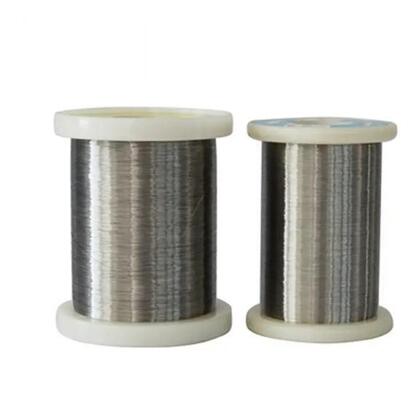
Efficient Electrolysis with 0Cr19Al3 FeCrAl Resistance Wire 1 Efficient Electrolysis with 0Cr19Al3 FeCrAl Resistance Wire 2
Advantages of Using DLX's 0Cr19Al3 FeCrAl Resistance Wire
  • Optimized Efficiency: Stable electrical resistance and excellent corrosion resistance help electrolysis systems achieve higher hydrogen production with lower energy input.
  • Reduced Maintenance Costs: High durability and long service life minimize maintenance requirements and replacement frequency, lowering overall operational costs.
  • Reliable and Consistent Performance: Provides stable, consistent performance in demanding electrolytic environments, ensuring peak system efficiency over time.
  • Cost-Effective: Enhanced performance and durability offer long-term savings, making it a valuable investment for electrolysis and hydrogen generation businesses.
  • Sustainable Energy: Supports green hydrogen production, contributing to the global shift toward renewable energy and reducing reliance on fossil fuels.
Industry Analysis
The global hydrogen economy is experiencing rapid growth as countries and industries seek to reduce carbon emissions and transition to renewable energy sources. Hydrogen, particularly green hydrogen produced through water electrolysis powered by renewable electricity, is positioned to become a major component of the energy mix across transportation, industrial, and energy storage sectors.
As hydrogen demand increases, so does the need for efficient and reliable electrolysis systems. Materials like 0Cr19Al3 FeCrAl Resistance Wire are essential for the continued development and scaling of electrolysis technologies. The requirement for high-performance materials capable of enduring high temperatures and corrosive environments in electrolysis cells is expected to drive significant growth in demand for this specialized wire.
Applications
  • Hydrogen Production via Electrolysis: Used as an electrode material in electrolysis systems to facilitate the water-splitting reaction for hydrogen and oxygen production.
  • Fuel Cells: Serves as electrode material in hydrogen fuel cells to convert hydrogen into electricity, enabling clean energy utilization.
  • Energy Storage: Enhances electrolysis process efficiency for hydrogen production that can be stored as a clean energy carrier for later use.
  • Chemical and Industrial Applications: Ensures efficient hydrogen generation for various industrial processes including ammonia production and petroleum refining.
  • High-Temperature Industrial Systems: Suitable for other high-temperature applications such as heat exchangers, reactors, and furnaces due to exceptional thermal stability.
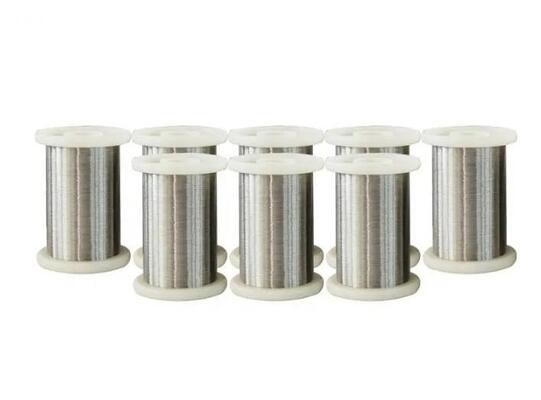
Efficient Electrolysis with 0Cr19Al3 FeCrAl Resistance Wire 3 Efficient Electrolysis with 0Cr19Al3 FeCrAl Resistance Wire 4
DLX's Competitive Advantage
At DLX Corporation, we are committed to providing top-quality materials for industries driving innovation in clean energy. Our 0Cr19Al3 FeCrAl Resistance Wire is designed for long-term performance in electrolysis systems, helping optimize hydrogen production, reduce costs, and improve system reliability.
Why Choose DLX?
  • Expertise in Clean Energy Solutions: Years of experience supplying advanced materials for the renewable energy sector with deep understanding of hydrogen production challenges.
  • Consistent Quality: Rigorous testing and quality control ensure each batch meets highest industry standards for performance and reliability.
  • Cost-Effective Performance: Designed to improve electrolysis system efficiency and durability, resulting in long-term business savings.
  • Sustainability Commitment: Dedicated to supporting clean energy transition through products that enable efficient hydrogen production and carbon emission reduction.
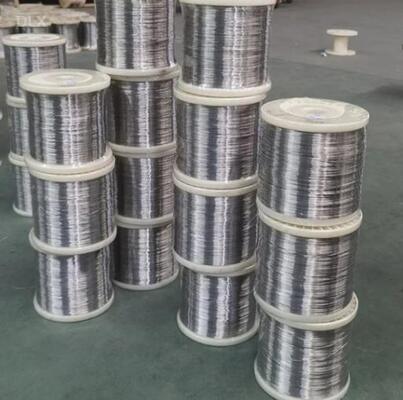
Efficient Electrolysis with 0Cr19Al3 FeCrAl Resistance Wire 5 Efficient Electrolysis with 0Cr19Al3 FeCrAl Resistance Wire 6
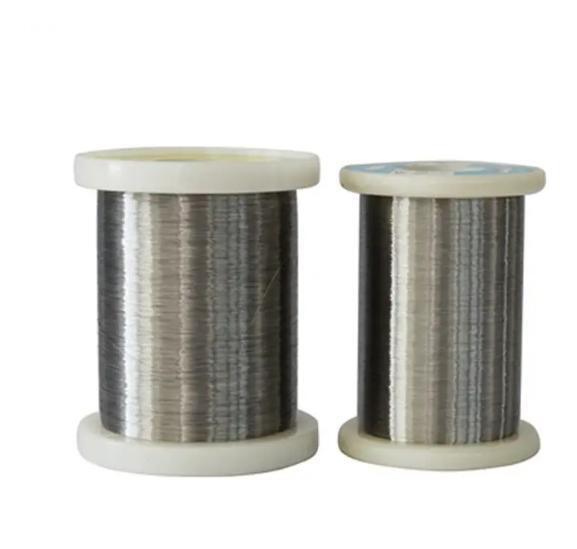
Efficient Electrolysis with 0Cr19Al3 FeCrAl Resistance Wire 7Frequently Asked Questions
Why is 0Cr19Al3 FeCrAl Resistance Wire ideal for electrolysis?
Its high chromium and aluminum content provide excellent corrosion resistance and thermal stability, making it perfect for harsh electrolysis environments with high temperatures and aggressive electrolytes.
What is the maximum temperature 0Cr19Al3 FeCrAl Resistance Wire can withstand?
0Cr19Al3 FeCrAl Resistance Wire can withstand temperatures up to 1,500 °C, making it suitable for high-temperature electrolysis systems.
How does 0Cr19Al3 FeCrAl Resistance Wire improve electrolysis efficiency?
The wire maintains stable electrical resistance over time, allowing for more efficient energy transfer and improved hydrogen production rates.
Can 0Cr19Al3 FeCrAl Resistance Wire be customized?
Yes, DLX offers customizable wire diameters and lengths to suit specific hydrogen production system requirements.
How long does 0Cr19Al3 FeCrAl Resistance Wire last in electrolysis systems?
Thanks to exceptional resistance to oxidation and high temperatures, 0Cr19Al3 FeCrAl Resistance Wire has a long service life, reducing replacement frequency.
What industries use 0Cr19Al3 FeCrAl Resistance Wire?
This wire is used primarily in hydrogen production systems, but also in fuel cells, energy storage systems, and various high-temperature industrial applications.
What are the advantages of using 0Cr19Al3 FeCrAl Resistance Wire for hydrogen production?
The wire enhances electrolysis efficiency, reduces maintenance costs, extends system lifespan, and contributes to more sustainable hydrogen production processes.
How is the hydrogen economy expected to grow?
The hydrogen economy is set to expand rapidly as industries and governments push for clean energy solutions, with electrolysis playing a central role in large-scale hydrogen production.