logo

products details

Created with Pixso. Home Created with Pixso. Products Created with Pixso.
NiCr Alloy
Created with Pixso.

High-Performance NiCr Conductive Strips for Electrolytic Hydrogen Production

High-Performance NiCr Conductive Strips for Electrolytic Hydrogen Production

Brand Name: DLX
Model Number: NiCr Conductive Strip
MOQ: 10kg
Payment Terms: L/C,D/A,D/P,T/T,Western Union,MoneyGram
Supply Ability: 500 tons per month
Detail Information
Place of Origin:
China Jiangsu
Certification:
CE,ROHS
Supply Ability:
500 tons per month
Highlight:

NiCr conductive strips for hydrogen production

,

high-performance NiCr electrolytic strips

,

NiCr alloy conductive hydrogen strips

Product Description
High-Performance NiCr Conductive Strips for Electrolytic Hydrogen Production
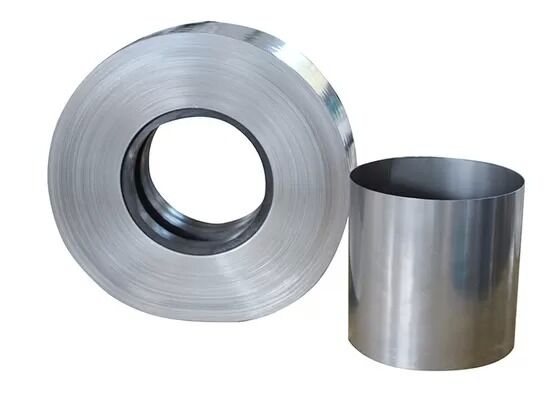
High-Performance NiCr Conductive Strips for Electrolytic Hydrogen Production 0 In the evolving world of clean energy, hydrogen production via electrolysis is gaining immense traction. The demand for highly efficient, durable, and cost-effective materials to facilitate this process is more significant than ever. DLX Company offers top-of-the-line NiCr Conductive Strips designed specifically for electrolytic hydrogen production. These high-performance materials play a critical role in enhancing the efficiency and longevity of electrolysis systems.
Product Introduction
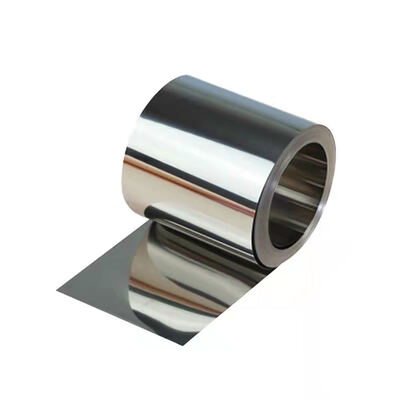
Our NiCr (Nickel-Chromium) Conductive Strips are engineered to optimize the electrolysis process used in water electrolysis systems for hydrogen production. The key to producing hydrogen in a sustainable and efficient manner lies in the quality of the materials used in the electrolysis cells. The NiCr conductive strips from DLX are made from a carefully balanced alloy of nickel and chromium, which provides excellent conductivity, corrosion resistance, and long-term stability, making them the perfect choice for electrolytic hydrogen production.
Hydrogen, often hailed as the clean fuel of the future, is produced through the electrolysis of water, a process that splits water molecules (H₂O) into hydrogen (H₂) and oxygen (O₂) using electrical energy. The efficiency of this process is highly dependent on the quality of the components used in the electrolyzer, and that's where DLX's NiCr conductive strips come into play.
Product Specifications
Performance material Cr10Ni90 Cr20Ni80 Cr30Ni70 Cr15Ni60 Cr20Ni35 Cr20Ni30
Composition Ni 90 Rest Rest 55.0~61.0 34.0~37.0 30.0~34.0
Cr 10 20.0~23.0 28.0~31.0 15.0~18.0 18.0~21.0 18.0~21.0
Fe ≤1.0 ≤1.0 Rest Rest Rest
Maximum temperature℃ 1300 1200 1250 1150 1100 1100
Melting point ℃ 1400 1400 1380 1390 1390 1390
Density g/cm³ 8.7 8.4 8.1 8.2 7.9 7.9
Resistivity(μΩ*m,20℃) 1.09±0.05 1.18±0.05 1.12±0.05 1.00±0.05 1.04±0.05
Elongation at rupture ≥20 ≥20 ≥20 ≥20 ≥20 ≥20
Specific heat(J/g.℃) 0.44 0.44 0.44 0.44 0.44 0.44
Thermal conductivity(KJ/m.h℃) 60.3 45.2 45.2 43.8 43.8
Coefficient of linear expansion (20~1000℃) 18 17 17 19 19
Micrographic structure Austenite Austenite Austenite Austenite Austenite
Magnetic properties Nonmagnetic Nonmagnetic Nonmagnetic Nonmagnetic Nonmagnetic
Key Features and Advantages
  • Superior Conductivity: Designed to provide outstanding electrical conductivity, minimizing energy losses during electrolysis and ensuring optimal hydrogen production system performance.
  • Corrosion Resistance: Exceptional resistance to corrosion in harsh alkaline electrolyzer environments, resulting in longer-lasting components and reduced maintenance.
  • High-Temperature Stability: Operates in environments up to 800°C, ideal for high-performance electrolyzers requiring stable components at elevated temperatures.
  • Customizable Dimensions: Available in customizable thickness and width options to ensure perfect fit for specific hydrogen production applications.
  • Long-Term Durability: Highly resistant to oxidation and wear, leading to extended service life and significant long-term cost savings.
  • Enhanced Efficiency: High conductivity and corrosion resistance improve overall electrolyzer efficiency, reducing operational costs and energy consumption.
  • Eco-Friendly: Contributes to the development of sustainable hydrogen production methods, supporting the global shift toward clean energy.
High-Performance NiCr Conductive Strips for Electrolytic Hydrogen Production 1 High-Performance NiCr Conductive Strips for Electrolytic Hydrogen Production 2
Industry Analysis
Hydrogen is widely recognized as a clean fuel with immense potential in decarbonizing industries like transportation, power generation, and manufacturing. The global push toward green energy solutions is leading to increased investment in hydrogen production technologies, particularly electrolytic hydrogen production using renewable electricity.
The demand for materials like our NiCr conductive strips is expected to grow significantly as electrolysis becomes more widely adopted. With increasing pressure on industries to adopt sustainable practices, electrolyzers are being integrated into more energy systems, driving up the need for high-quality materials that can withstand continuous operation demands.
DLX is positioned as a leader in providing high-performance, reliable materials that enable businesses to meet their hydrogen production goals efficiently. The global hydrogen market is expected to grow substantially in the coming years, with demand for electrolyzers and their components continuing to rise.
Applications
  • Water Electrolyzers: Critical components ensuring efficient and safe hydrogen production from water.
  • Fuel Cells: Essential components in fuel cell technology powering vehicles and other hydrogen-based systems.
  • Renewable Energy Storage: Used in energy storage systems relying on hydrogen as an energy carrier, enhancing renewable energy source viability.
  • Industrial Hydrogen Production: Integral components in industrial applications and large-scale green hydrogen plants, ensuring high efficiency and operational longevity.
High-Performance NiCr Conductive Strips for Electrolytic Hydrogen Production 3 High-Performance NiCr Conductive Strips for Electrolytic Hydrogen Production 4
Why Choose DLX for Your NiCr Conductive Strips?
At DLX, we prioritize quality, reliability, and sustainability in everything we do. Our NiCr conductive strips are produced using advanced manufacturing processes and stringent quality control measures, ensuring they meet the highest industry standards.
  • Innovative Manufacturing: State-of-the-art technologies ensure highest quality and performance standards.
  • Custom Solutions: Collaborative approach to provide tailored solutions based on specific electrolyzer design requirements.
  • Dedicated Support: Expert technical support and guidance throughout project implementation.
  • Sustainability Focus: Commitment to helping clients transition to cleaner, more sustainable energy sources through eco-friendly materials.
High-Performance NiCr Conductive Strips for Electrolytic Hydrogen Production 5 High-Performance NiCr Conductive Strips for Electrolytic Hydrogen Production 6 High-Performance NiCr Conductive Strips for Electrolytic Hydrogen Production 7
Frequently Asked Questions
What makes NiCr conductive strips ideal for electrolytic hydrogen production?
NiCr strips offer excellent conductivity and corrosion resistance, both critical for the efficiency and longevity of electrolyzers used in hydrogen production.
How long do NiCr conductive strips last in electrolytic cells?
Thanks to their high corrosion resistance and durability, DLX's NiCr strips have an extended lifespan, reducing the need for frequent replacements.
Can the strips be customized for different electrolyzer models?
Yes, we offer a range of thicknesses and widths, ensuring that our NiCr strips can be tailored to fit various electrolyzer designs.
What temperatures can the NiCr conductive strips withstand?
Our strips can operate in environments up to 800°C, making them suitable for high-performance electrolysis applications.
Are these conductive strips environmentally friendly?
Yes, the NiCr conductive strips contribute to the production of green hydrogen, which is a key component of sustainable energy solutions.
Can these strips be used in other applications outside hydrogen production?
While primarily used in electrolyzers, these strips are also suitable for applications in fuel cells and energy storage systems.
What is the conductivity level of the strips?
The strips provide a conductivity of ≥ 1.0 * 10⁶ S/m, ensuring minimal energy losses during the electrolysis process.
How do NiCr strips compare to other conductive materials in electrolyzers?
Compared to other materials, NiCr alloys offer superior corrosion resistance and high-temperature stability, which translates into longer service life and better performance.