5s
+1
Submission successful!

|
| Brand Name: | DLX |
| Model Number: | Nichrome Wire Cr30Ni70 |
| MOQ: | 10kg |
| Payment Terms: | L/C,D/A,D/P,T/T,Western Union |
| Supply Ability: | 500 tons per month |
As industries and governments worldwide pursue sustainability and clean energy solutions, hydrogen has emerged as a vital component. Produced through water electrolysis, hydrogen serves as a clean fuel for various applications including fuel cells, industrial processes, and energy storage. The efficiency and longevity of electrolysis systems depend critically on electrode materials, with Cr30Ni70 Nichrome Wire standing out as one of the most effective options.
At DLX, we provide high-quality Cr30Ni70 Nichrome Wire, specifically engineered to optimize hydrogen electrolysis system performance. With exceptional corrosion resistance, thermal stability, and electrical conductivity, our wire is ideal for long-term hydrogen generation in both alkaline and PEM electrolysis systems. This alloy offers both durability and efficiency, making it the preferred choice for industries focused on sustainable hydrogen production.
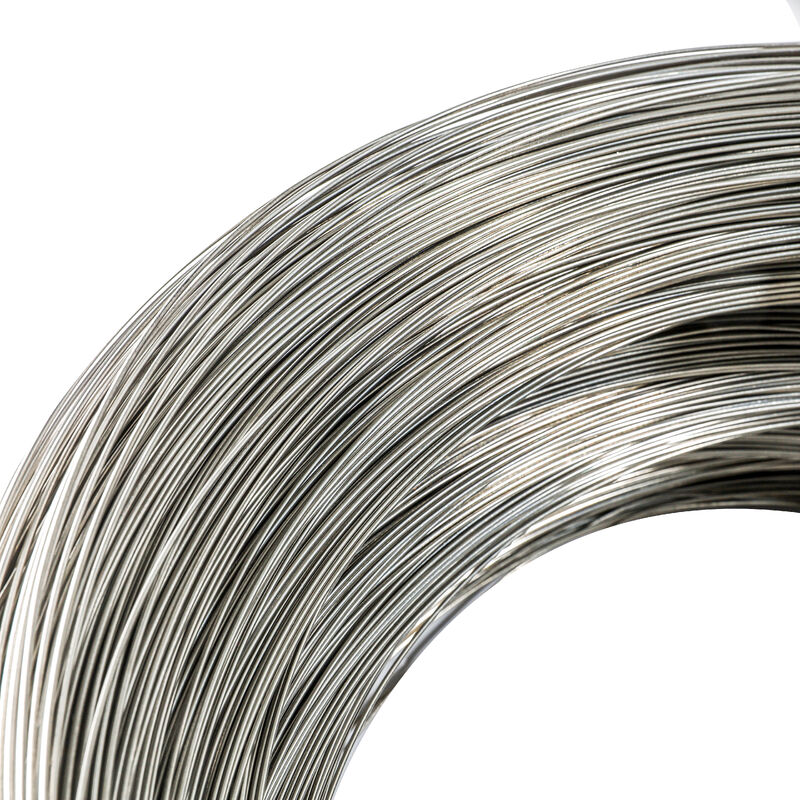
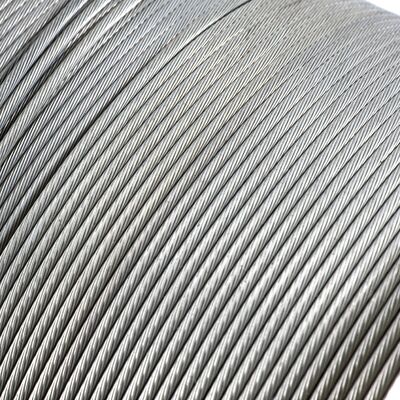
Cr30Ni70 Nichrome Wire consists of 30% chromium and 70% nickel, an alloy renowned for excellent oxidation resistance, corrosion resistance, and high-temperature stability. These properties make it ideal for hydrogen electrolysis applications where high efficiency and reliability are critical. The wire serves as an electrode in electrolysis systems that generate hydrogen by splitting water molecules using electricity.
In electrolysis applications, Cr30Ni70 Nichrome Wire ensures maximum system efficiency with minimal energy losses, making it suitable for both large-scale industrial systems and small-scale research setups. With high-temperature tolerance and outstanding electrical conductivity, this wire provides an optimal balance of durability and performance for hydrogen generation.
| Performance material | Cr10Ni90 | Cr20Ni80 | Cr30Ni70 | Cr15Ni60 | Cr20Ni35 | Cr20Ni30 |
|---|---|---|---|---|---|---|
| Ni | 90 | Rest | Rest | 55.0~61.0 | 34.0~37.0 | 30.0~34.0 |
| Cr | 10 | 20.0~23.0 | 28.0~31.0 | 15.0~18.0 | 18.0~21.0 | 18.0~21.0 |
| Fe | ≤1.0 | ≤1.0 | Rest | Rest | Rest | |
| Maximum temperature℃ | 1300 | 1200 | 1250 | 1150 | 1100 | 1100 |
| Melting point ℃ | 1400 | 1400 | 1380 | 1390 | 1390 | 1390 |
| Density g/cm³ | 8.7 | 8.4 | 8.1 | 8.2 | 7.9 | 7.9 |
| Resistivity(μΩ*m,20℃) | 1.09±0.05 | 1.18±0.05 | 1.12±0.05 | 1.00±0.05 | 1.04±0.05 | |
| Elongation at rupture | ≥20 | ≥20 | ≥20 | ≥20 | ≥20 | ≥20 |
| Specific heat(J/g.℃) | 0.44 | 0.44 | 0.44 | 0.44 | 0.44 | 0.44 |
| Thermal conductivity(KJ/m.h℃) | 60.3 | 45.2 | 45.2 | 43.8 | 43.8 | |
| Coefficient of linear expansion (20~1000℃) | 18 | 17 | 17 | 19 | 19 | |
| Micrographic structure | Austenite | Austenite | Austenite | Austenite | Austenite | |
| Magnetic properties | Nonmagnetic | Nonmagnetic | Nonmagnetic | Nonmagnetic | Nonmagnetic |
At DLX, we understand the importance of reliable and efficient materials for hydrogen production. Here's why our Cr30Ni70 Nichrome Wire is the optimal choice for your electrolysis system:
As the global energy landscape shifts toward sustainable solutions, green hydrogen is becoming crucial for reducing carbon emissions and powering clean energy systems. Hydrogen produced via water electrolysis powered by renewable sources like wind and solar offers zero-emission fuel that can decarbonize various industries including transportation, power generation, and heavy industry.
The rise of green hydrogen drives demand for high-efficiency electrolysis systems relying on advanced materials like Cr30Ni70 Nichrome Wire. As the hydrogen economy grows, DLX remains committed to providing the best materials to support this transition, helping industries scale hydrogen production while ensuring reliability and sustainability.
DLX's Cr30Ni70 Nichrome Wire ensures your hydrogen electrolysis system remains reliable, efficient, and cost-effective long-term. With superior corrosion resistance, high-temperature performance, and electrical conductivity, it is the ideal material for industrial and large-scale hydrogen production systems.


 english
 français
 Deutsch
 Italiano
 Русский
 Español
 português
 Nederlandse
 ελληνικά
 日本語
日本語
 한국
한국
 中文
中文
 العربية
 हिन्दी
 Türkçe
 indonesia
 tiếng Việt
 ไทย
ไทย
 বাংলা
বাংলা
 فارسی
فارسی
 polski