logo

products details

Created with Pixso. Home Created with Pixso. Products Created with Pixso.
Cobalt Chromium Alloy
Created with Pixso.

Stellite 21 Tube for Efficient Water Splitting in Electrolysis

Stellite 21 Tube for Efficient Water Splitting in Electrolysis

Brand Name: DLX
Model Number: Cobalt chromium tube Stellite 21
MOQ: 10kg
Payment Terms: L/C,D/A,D/P,T/T,Western Union
Supply Ability: 500 tons per month
Detail Information
Place of Origin:
China,Jiangsu
Certification:
Ce,Rohs
Supply Ability:
500 tons per month
Highlight:

Stellite 21 electrolysis tube

,

cobalt chromium alloy water splitting tube

,

Stellite 21 efficient electrolysis component

Product Description
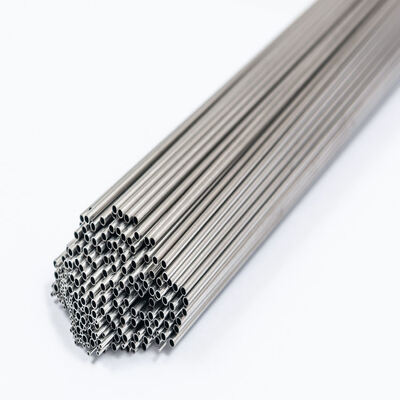
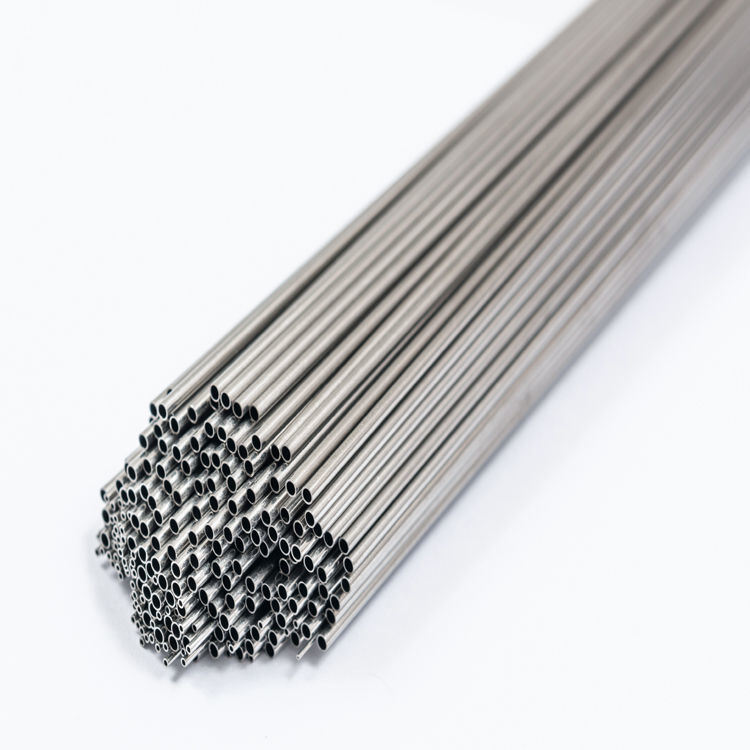
Stellite 21 Tube for Efficient Water Splitting in Electrolysis 0
When it comes to the production of hydrogen via electrolysis, the materials used play a crucial role in ensuring high performance, longevity, and cost-effectiveness. DLX's Cobalt Chromium Tube Stellite 21 is designed to meet the exacting demands of this process. With superior corrosion resistance, high-temperature stability, and excellent mechanical properties, the Stellite 21 tube is the material of choice for efficient water splitting in electrolysis applications.
Product Overview
The Cobalt Chromium Tube Stellite 21 is a premium alloy designed specifically for electrolysis systems used in water splitting for hydrogen production. The unique composition of cobalt, chromium, and other key metals provides exceptional resistance to corrosion and wear, making it ideal for harsh electrolytic environments. This makes Stellite 21 an outstanding material choice for applications involving high temperatures and aggressive chemical environments, ensuring a longer lifespan and minimal maintenance needs.
As the global focus on clean energy and hydrogen production intensifies, materials like the Stellite 21 tube are becoming more critical in ensuring the efficiency of electrolysis systems. This material stands out by significantly improving the performance of electrolyzers, increasing hydrogen yield, and reducing the operational costs associated with system downtime and component failure.
Cobalt-Chromium Alloy Parameters
Parameter Typical Value/Range
Chemical Composition Cobalt (Co): 60-70%
Chromium (Cr): 25-30%
Molybdenum (Mo): 4.5-7%
Silicon (Si): <1%
Manganese (Mn): <1%
Iron (Fe): 0-1%
Carbon (C): 0-0.35%
Density 8.3-8.5 g/cm³
Melting Point 1250-1450°C
Hardness (Rockwell) Soft: 20-30 HRC
Medium: 30-40 HRC
Hard: 40-50 HRC
Tensile Strength 800-1200 MPa (depending on alloy and heat treatment)
Yield Strength 500-900 MPa
Young's Modulus 200-230 GPa
Elongation 10-20%
Corrosion Resistance Excellent, resistant to acids, alkalis, saline, and high-temperature oxidation
Biocompatibility Good, widely used in dental restorations and orthopedic implants
Wear Resistance Excellent, suitable for high-wear environments like cutting tools, turbine blades
High-Temperature Resistance Maintains performance up to 600-800°C, ideal for aerospace engine components
Processing Methods Precision casting, 3D printing, CAD/CAM, laser cladding
Typical Applications Dental prosthetics (e.g., crowns, frameworks), aerospace parts, turbine blades, oil drilling rods, medical implants
Key Features
  • Superior Corrosion Resistance: The Stellite 21 alloy is highly resistant to corrosion in alkaline electrolytes, which are typically used in water splitting processes. This makes it an ideal choice for electrolyzers that operate in aggressive chemical environments.
  • High-Temperature Performance: With a resistance to high temperatures (up to 900°C), the Stellite 21 tube ensures that the material maintains its structural integrity and performance over extended periods.
  • Durability: Stellite 21's durability reduces maintenance costs and downtime, improving the overall efficiency of electrolysis systems.
  • Wear Resistance: The alloy's hardness and mechanical strength make it highly resistant to wear and tear, even under high-stress operating conditions.
Stellite 21 Tube for Efficient Water Splitting in Electrolysis 1 Stellite 21 Tube for Efficient Water Splitting in Electrolysis 2
Advantages
  1. Longer Lifespan: Due to its resistance to corrosion and wear, Stellite 21 tubes are able to last much longer than other materials used in electrolysis, reducing the frequency of replacements.
  2. Efficiency in Hydrogen Production: With its superior electrochemical performance, Stellite 21 ensures higher efficiency in hydrogen production, reducing energy consumption and increasing system profitability.
  3. Low Maintenance: The alloy's resistance to degradation means that systems using Stellite 21 tubes require less frequent maintenance, lowering operational costs.
  4. Cost-Effective in the Long Run: While Stellite 21 may have a higher upfront cost compared to other materials, its longevity and durability make it more cost-effective over time, providing significant savings in maintenance and replacement costs.
Industry Analysis
The demand for hydrogen production through electrolysis has been growing rapidly in recent years, driven by the global push towards clean energy. As countries set ambitious targets for reducing carbon emissions, hydrogen has emerged as a key alternative energy source, particularly for heavy industries and transportation.
Electrolysis is one of the most efficient ways to produce hydrogen, but it requires specialized materials that can withstand the harsh conditions involved in the process. As a result, the market for advanced materials such as Stellite 21 is expected to see significant growth. In particular, the need for highly durable, corrosion-resistant materials is crucial for the widespread adoption of electrolysis-based hydrogen production systems.
Furthermore, with the advancement of technology, electrolyzers are becoming more efficient, which will increase the demand for high-performance materials like Stellite 21. The role of high-quality materials will only continue to grow as the global energy transition accelerates.
Applications
Stellite 21 tubes are primarily used in electrolyzers for water splitting to produce hydrogen. Their applications span across a variety of sectors, including:
  • Hydrogen Production: Stellite 21's excellent corrosion and wear resistance make it ideal for use in electrolyzers that produce hydrogen as a clean energy source.
  • Fuel Cells: Fuel cell technology benefits from the high durability and efficiency of Stellite 21, which helps increase the longevity and performance of fuel cell systems.
  • Water Treatment: In industries requiring electrochemical processes, such as water desalination and purification, Stellite 21's performance is essential for minimizing wear and ensuring consistent results.
  • Energy Storage: For systems that rely on electrochemical reactions, such as battery storage systems, Stellite 21 enhances performance by offering stable, long-lasting components.
Stellite 21 Tube for Efficient Water Splitting in Electrolysis 3 Stellite 21 Tube for Efficient Water Splitting in Electrolysis 4
DLX Company Comparison
At DLX, we are committed to providing the highest quality materials for electrolysis and other industrial applications. Our Stellite 21 tubes are produced with precision and care, ensuring that every unit is consistent and performs optimally. Unlike other suppliers, DLX offers not only top-tier materials but also personalized customer service, fast delivery times, and comprehensive technical support. Our deep understanding of the hydrogen production industry allows us to tailor our products to meet the specific needs of our clients, ensuring the best possible performance.
DLX's commitment to quality, innovation, and customer satisfaction sets us apart from other manufacturers. When you choose DLX, you are not just purchasing a product; you are investing in a long-term partnership that prioritizes your success.
Stellite 21 Tube for Efficient Water Splitting in Electrolysis 5 Stellite 21 Tube for Efficient Water Splitting in Electrolysis 6 Stellite 21 Tube for Efficient Water Splitting in Electrolysis 7
Frequently Asked Questions
  • What makes Stellite 21 better for electrolysis?
    Stellite 21 offers superior corrosion resistance, wear resistance, and high-temperature stability, making it ideal for the harsh conditions of electrolysis. This results in higher efficiency and longer lifespan.
  • How does Stellite 21 perform in high-temperature environments?
    Stellite 21 can withstand temperatures up to 900°C, ensuring that the material maintains its structural integrity and function even in extreme heat, which is often encountered in electrolysis.
  • What industries benefit from Stellite 21?
    Stellite 21 is used primarily in hydrogen production via electrolysis, fuel cells, water treatment, and energy storage applications.
  • What are the typical dimensions available for Stellite 21 tubes?
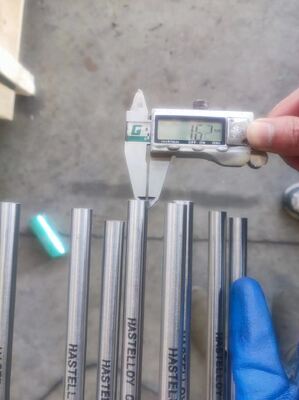
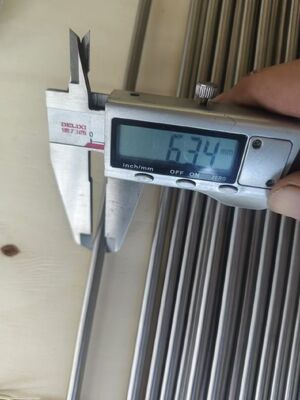
    DLX provides customizable dimensions for Stellite 21 tubes, allowing clients to choose the diameter and length that best suits their specific application.
  • How does Stellite 21 impact the efficiency of hydrogen production?
    Stellite 21 enhances the electrochemical performance of electrolyzers, improving hydrogen yield and reducing energy consumption in the production process.
  • What is the longevity of Stellite 21 in electrolysis?
    Due to its resistance to corrosion and wear, Stellite 21 offers a long service life, reducing maintenance needs and replacement costs in the long run.
  • Is Stellite 21 cost-effective?
    While Stellite 21 may have a higher initial cost, its durability and longevity make it a cost-effective choice in the long run, especially when factoring in reduced maintenance and replacement costs.
  • Can Stellite 21 be used in other electrochemical processes?
    Yes, in addition to electrolysis, Stellite 21 can be used in other electrochemical applications, such as water treatment and fuel cell technologies.