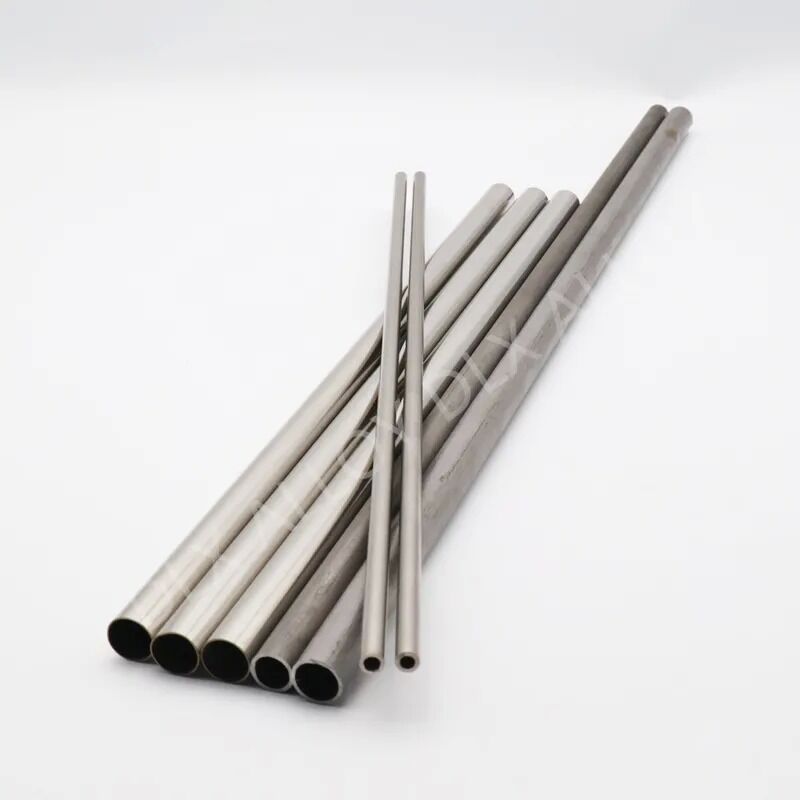
| Brand Name: | DLX |
| Model Number: | Inconel 625 |
| MOQ: | 10kg |
| Payment Terms: | L/C,D/A,D/P,T/T,Western Union |
| Supply Ability: | 500 tons per month |
![]()
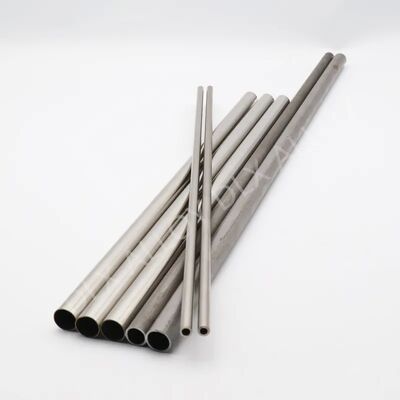
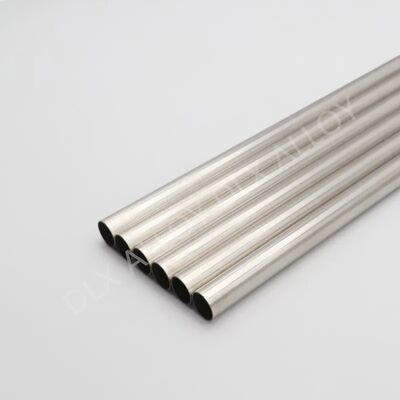
As the world transitions to cleaner energy sources, hydrogen storage is becoming increasingly crucial. However, storing hydrogen safely and efficiently requires materials that can withstand extreme pressure, temperature fluctuations, and aggressive environments. Inconel 625 alloy tubes are a top choice for hydrogen storage solutions. With exceptional corrosion resistance, high tensile strength, and excellent performance under extreme conditions, Inconel 625 offers the durability and reliability needed for safe hydrogen storage and transport.
Inconel 625 is a high-performance nickel-chromium alloy known for its outstanding properties, including excellent resistance to oxidation, corrosion, and high temperatures. These characteristics make Inconel 625 ideal for demanding applications such as hydrogen storage, where the material needs to withstand both harsh conditions and high pressure. The alloy’s remarkable resistance to hydrogen embrittlement further ensures that it maintains its integrity during long-term use in hydrogen infrastructure.
In the context of hydrogen storage, Inconel 625 alloy tubes are used in pressure vessels, piping systems, and other components that must reliably contain hydrogen at high pressures. The alloy’s combination of mechanical strength, resistance to corrosion, and durability makes it the ideal choice for these applications.
Corrosion Resistance: Inconel 625 resists a wide range of corrosive environments, including high-pressure hydrogen, seawater, and acidic conditions.
High Strength: The alloy provides excellent tensile strength, enabling it to withstand the high-pressure requirements of hydrogen storage.
Hydrogen Embrittlement Resistance: Inconel 625 offers excellent resistance to hydrogen embrittlement, ensuring the material’s long-term stability.
Temperature Stability: Inconel 625 maintains its mechanical properties over a wide temperature range, making it suitable for both cryogenic and high-temperature hydrogen storage systems.
Weldability: The alloy is easy to weld, which is essential for fabricating hydrogen storage systems and performing maintenance.
![]()
![]()
Item |
Inconel 600 |
Inconel 601 |
Inconel 617 |
Inconel 625 |
Inconel 690 |
Inconel 718 |
Inconel X750 |
Inconel 825 |
C |
≤0.15 |
≤0.1 |
0.05-0.15 |
≤0.08 |
≤0.05 |
≤0.08 |
≤0.08 |
≤0.05 |
Mn |
≤1 |
≤1.5 |
≤0.5 |
≤0.35 |
≤0.5 |
≤0.35 |
≤1 |
≤1 |
Fe |
6-10 |
rest |
≤3 |
rest |
7-11 |
rest |
5-9 |
≥22 |
P |
≤0.015 |
≤0.02 |
≤0.015 |
-- |
-- |
-- |
-- |
-- |
S |
≤0.015 |
≤0.015 |
≤0.015 |
≤0.015 |
≤0.015 |
≤0.01 |
≤0.01 |
≤0.03 |
Si |
≤0.5 |
≤0.5 |
≤0.5 |
≤0.35 |
≤0.5 |
≤0.35 |
≤0.5 |
≤0.5 |
Cu |
≤0.5 |
≤1 |
-- |
≤0.3 |
≤0.5 |
≤0.3 |
≤0.5 |
1.5-3 |
Ni |
≥72 |
58-63 |
≥44.5 |
50-55 |
≥58 |
50-55 |
≥70 |
38-46 |
Co |
-- |
-- |
10-15 |
≤10 |
-- |
≤1 |
≤1 |
-- |
Al |
-- |
1-1.7 |
0.8-1.5 |
≤0.8 |
-- |
0.2-0.8 |
0.4-1 |
≤0.2 |
Ti |
-- |
-- |
≤0.6 |
≤1.15 |
-- |
-- |
2.25-2.75 |
0.6-1.2 |
Cr |
14-17 |
21-25 |
20-24 |
17-21 |
27-31 |
17-21 |
14-17 |
19.5-23.5 |
Nb+Ta |
-- |
-- |
-- |
4.75-5.5 |
-- |
4.75-5.5 |
0.7-1.2 |
-- |
Mo |
-- |
-- |
8-10 |
2.8-3.3 |
-- |
2.8-3.3 |
-- |
2.5-3.5 |
B |
-- |
-- |
≤0.006 |
-- |
-- |
-- |
-- |
-- |
Shape |
Size (mm) |
Wire |
0.02-7.50 |
Rod/Bar |
8.0-200 |
Strip |
(0.5-2.5)*(5-180) |
Tube/Pipe |
Customized |
Sheet/Plate |
Customized |
Hydrogen storage systems are exposed to corrosive elements such as moisture, salts, and other chemicals. Inconel 625 excels in protecting hydrogen storage infrastructure from corrosion, ensuring long-term durability and safety. Its resistance to oxidation and acids is crucial in maintaining the integrity of hydrogen storage tanks and pipelines, especially in marine environments or locations with harsh weather conditions.
Inconel 625 is designed to handle high-pressure environments, making it ideal for hydrogen storage systems that operate under extreme pressures. Whether in underground tanks or transportation pipelines, Inconel 625’s high tensile strength ensures that hydrogen is stored safely without compromising structural integrity.
One of the most significant challenges in hydrogen storage is hydrogen embrittlement, which causes materials to crack and fail when exposed to hydrogen gas. Inconel 625’s ability to resist hydrogen embrittlement makes it the perfect choice for long-term storage systems, where hydrogen can cause embrittlement in other materials. This resistance helps prevent premature failure and ensures the reliability of storage systems.
Hydrogen storage can occur across a wide temperature range, from cryogenic temperatures to high heat. Inconel 625 remains strong and stable in both extreme cold and high-temperature environments, ensuring the safe and efficient storage of hydrogen under any conditions.
As the world moves toward clean energy and the use of hydrogen as a sustainable fuel source, hydrogen storage is becoming increasingly important. The growing interest in hydrogen as a fuel for transportation, power generation, and industrial applications means there is a growing demand for safe and reliable hydrogen storage systems.
Hydrogen must be stored under high pressure or at low temperatures, and the materials used for storage must be able to handle these conditions without compromising safety or efficiency. The demand for green hydrogen and clean energy solutions has driven innovation in the materials used for hydrogen infrastructure. As hydrogen storage systems become more complex and widespread, Inconel 625 is emerging as a preferred material due to its superior performance in hydrogen storage applications.
Increased investments in hydrogen infrastructure globally.
The rise of hydrogen-powered vehicles and fuel cells.
Growing demand for materials that can withstand the challenges of high-pressure storage and cryogenic hydrogen applications.
Innovation in hydrogen transport networks requiring stronger, more durable materials.
Hydrogen Storage Tanks
Inconel 625 is widely used in hydrogen storage tanks, especially those that need to withstand high pressures. The material’s corrosion resistance and strength make it perfect for both stationary and mobile storage solutions, such as those used in hydrogen refueling stations and fuel cell vehicles.
Hydrogen Pipelines
Hydrogen transport requires materials that can resist corrosion and handle high pressures. Inconel 625 alloy tubes are an ideal choice for hydrogen pipelines that transport hydrogen over long distances, ensuring safe and reliable transportation without the risk of degradation.
Pressure Vessels
In hydrogen storage and transport systems, pressure vessels are required to safely contain hydrogen gas under high pressure. Inconel 625’s mechanical strength and resistance to hydrogen embrittlement make it an excellent choice for hydrogen storage vessels that need to maintain structural integrity over time.
Valves, Connectors, and Seals
The valves and connectors used in hydrogen storage systems need to be resistant to both corrosion and hydrogen embrittlement. Inconel 625 is used in these components to ensure long-term durability and reliability, preventing leaks and failure in high-pressure hydrogen environments.
At DLX, we pride ourselves on offering high-quality Inconel 625 alloy tubes that meet the demands of hydrogen storage applications. Here’s why DLX is the right choice:
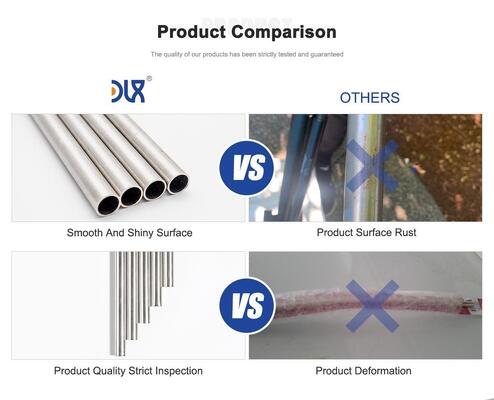
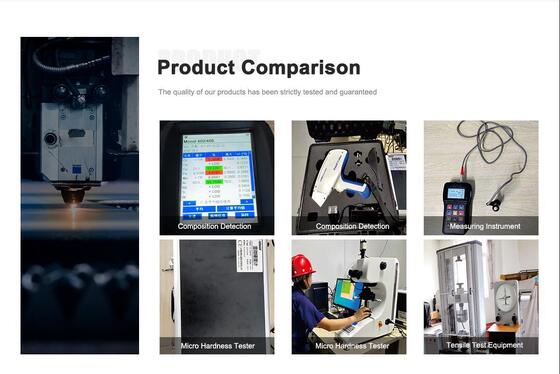
Superior Quality Assurance: We ensure that every Inconel 625 alloy tube undergoes rigorous testing to meet the highest industry standards, guaranteeing you a product you can trust for long-term use.
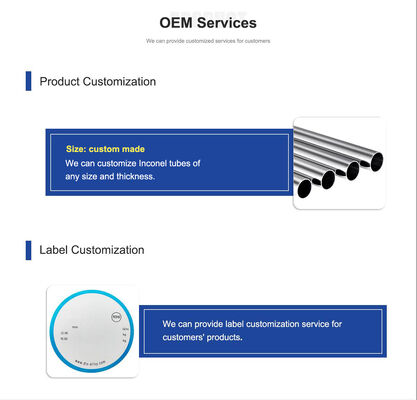
Customization Options: We offer custom-sized alloy tubes to meet the specific requirements of your hydrogen storage system, whether you need larger diameters, specific lengths, or different grades of Inconel 625.
Reliable Delivery: DLX ensures timely delivery of Inconel 625 alloy tubes, allowing you to stay on schedule with your projects.
Competitive Pricing: We provide high-quality materials at competitive prices, ensuring you get the best value for your investment in hydrogen storage infrastructure.
1. Why is Inconel 625 the best material for hydrogen storage?
Inconel 625’s resistance to corrosion, high strength, and hydrogen embrittlement resistance make it the perfect choice for hydrogen storage systems that operate under high pressure and extreme conditions.
2. How does Inconel 625 perform in cryogenic environments?
Inconel 625 maintains its mechanical properties even at extremely low temperatures, making it suitable for cryogenic hydrogen storage applications.
3. Is Inconel 625 resistant to hydrogen embrittlement?
Yes, Inconel 625 is highly resistant to hydrogen embrittlement, which prevents the material from cracking or failing over time when exposed to hydrogen gas.
4. Can Inconel 625 be welded?
Yes, Inconel 625 is easily weldable, which makes it ideal for the fabrication and maintenance of hydrogen storage and transport systems.
5. What other industries use Inconel 625?
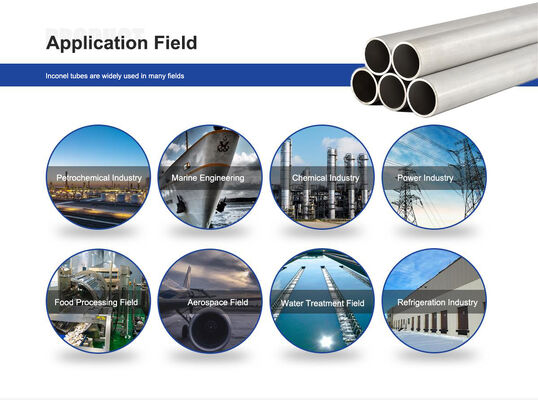
Inconel 625 is also used in aerospace, power generation, and chemical processing industries due to its high strength and corrosion resistance.
6. How does DLX ensure the quality of its Inconel 625 products?
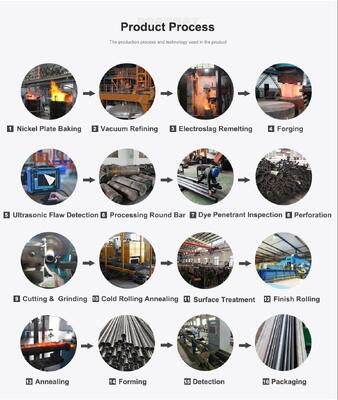
DLX conducts thorough quality control throughout the manufacturing process to ensure that every product meets the highest performance and safety standards.
7. Is Inconel 625 cost-effective for hydrogen storage applications?
Yes, while Inconel 625 is a premium material, its durability and resistance to corrosion and embrittlement make it a cost-effective solution in the long term by reducing maintenance and replacement costs.
8. Can DLX provide custom sizes for Inconel 625 alloy tubes?
Yes, DLX offers custom-sized Inconel 625 alloy tubes to meet the specific needs of your hydrogen storage system.